 Easy Budget Meals
Meal Planning for Beginners: How to Actually Start This Week
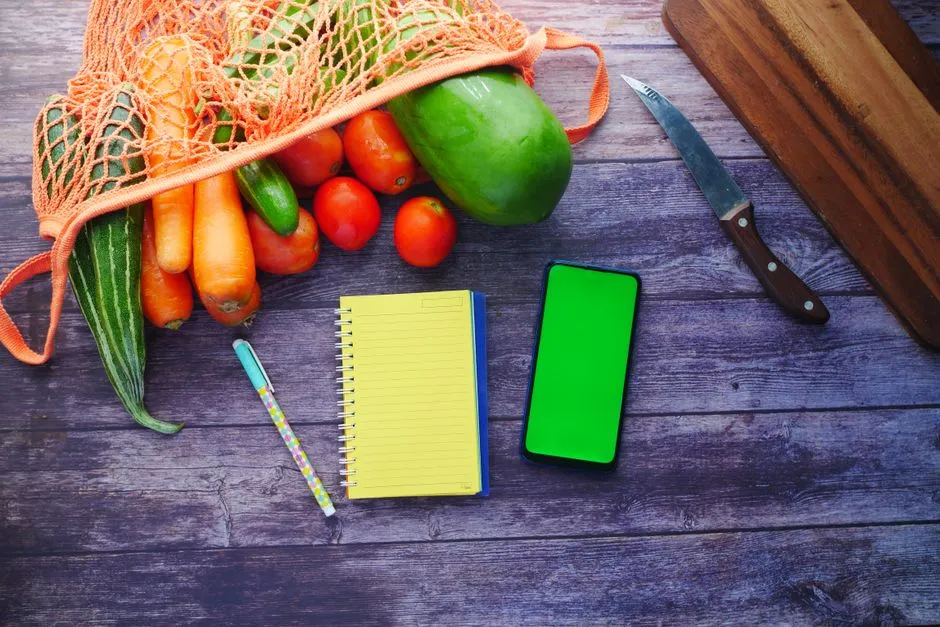
- Start Meal Planning This Week: The 5-Step Beginner Method
- Why Meal Planning Saves You Money (and Sanity)
- Step 1: Start With Three Dinners, Not Seven
- Step 2: Pick Recipes That Share Ingredients
- Step 3: Check What You Already Own First
- Step 4: Turn the Plan Into One Shopping List
- Step 5: Set a Repeatable "Planning Time"
- Common Beginner Mistakes to Avoid
- Do You Need Meal Prep or Batch Cooking Too?
- Your First Week, in Order
Start Meal Planning This Week: The 5-Step Beginner Method
To start meal planning, pick a number of dinners you actually want to cook this week (start with three, not seven), choose recipes that share ingredients, write one shopping list from those recipes, and buy only what's on it. That's the whole system. Everything else — themed nights, freezer stashes, color-coded spreadsheets — is optional polish you can add later. The reason most people quit meal planning in week two is that they try to plan every meal perfectly on day one, burn out, and decide it "doesn't work for them." It works. You just started too big.
Meal planning is simply deciding what you'll eat before you're hungry and standing in front of an open fridge at 6 p.m. That single shift — moving the decision earlier — is what cuts both your food spending and your weeknight stress. Below is a realistic way to begin that you can finish in about 20 minutes.
Why Meal Planning Saves You Money (and Sanity)
The savings come from three specific leaks that planning plugs:
- Fewer impulse buys. A list built from real recipes keeps you out of the aisles you don't need. Unplanned "this looks good" purchases are where carts quietly balloon.
- Less food waste. The average household throws away a meaningful share of the food it buys — often cited around 30%. When every ingredient has a job, less of it liquefies in the crisper drawer.
- Almost no takeout. Takeout and delivery are where budgets go to die. A single delivery order often costs more than three home-cooked dinners. Having a plan removes the "there's nothing to eat" excuse that triggers the app.
You don't need to hit all three perfectly. Cutting takeout from four nights to one, on its own, usually pays for a week of groceries.
There's a quieter benefit too: reclaimed mental energy. The daily "what's for dinner?" question is a small tax you pay every single evening, and it's heaviest exactly when you're tired and most likely to cave to the expensive, easy option. Deciding once, in advance, when you're calm and not hungry, removes that decision from the hardest moment of the day. Most beginners notice the reduced stress before they notice the savings on the receipt.
Step 1: Start With Three Dinners, Not Seven
Here's the counterintuitive part: do not plan every meal. Planning breakfast, lunch, dinner, and snacks for seven days is 21+ decisions, and beginners who attempt it almost always abandon the system within two weeks.
Plan three dinners for your first week. That's it. Breakfast and lunch for most people are already on repeat (oatmeal, eggs, leftovers, a sandwich) — those don't need a plan yet. Dinner is where the money and the decision fatigue live, so that's where planning pays off first.
Those three planned dinners will also create leftovers, which quietly handle a few lunches and a fourth dinner. The other nights are on purpose left flexible: leftovers, breakfast-for-dinner, or a pantry meal. Give yourself the gaps. A plan with breathing room survives; a rigid one doesn't.
Step 2: Pick Recipes That Share Ingredients
The single best beginner trick is choosing meals that overlap, so one purchase stretches across several dinners. This is what keeps a "big shop" from turning into a fridge full of half-used ingredients.
Buy one bunch of cilantro, a bag of rice, and a pack of tortillas, and you can build in three directions without buying three separate ingredient sets. A rotisserie chicken becomes tacos on Monday and soup on Wednesday. A batch of caramelized onions seasons two different dinners.
A simple way to force overlap: pick one base carb (rice, pasta, or potatoes), one protein you'll buy in a larger, cheaper pack and split, and two or three vegetables that go with everything (onions, carrots, frozen peas, cabbage). Now assemble three dinners from that shared shortlist. If you want the full grocery-first version of this, our guide to a weekly meal plan on a budget walks through building an entire week backward from a dollar target.
Step 3: Check What You Already Own First
Before you write a single item on your list, look in your fridge, freezer, and cupboards. This step takes three minutes and consistently knocks a chunk off the bill, because most kitchens are quietly holding two or three dinners' worth of food already — a lonely can of beans, half a bag of frozen vegetables, that rice from last month.
"Shop your kitchen" first, then plan around what's about to expire. The wilting spinach and the chicken thighs in the back of the freezer aren't problems to ignore; they're your first two dinners, already paid for.
A stocked pantry makes this dramatically easier, because staples turn "I have nothing" into "I have the bones of a meal." If your cupboard is bare, our cheap pantry staples list covers the 30 or so inexpensive building blocks worth keeping on hand so you're never starting from zero.
Step 4: Turn the Plan Into One Shopping List
Now convert your three recipes into a single list — and organize it by store section, not by recipe. Grouping items as produce, dairy, meat, canned/dry, and frozen means you walk the store once in a straight line instead of doubling back (and doubling back is when extra things land in the cart).
Here's a first-week plan built entirely on overlap, with realistic cost ranges. Prices vary by region and change over time, so treat these as planning estimates, not guarantees.
| Dinner | Core ingredients | Shares with | Est. total cost |
|---|---|---|---|
| Chicken & veg rice bowls | Chicken thighs, rice, onion, carrots, frozen peas | Base carb + protein pack | $6–$9 |
| Bean & veg tacos | Canned beans, tortillas, onion, cabbage, spices | Onion, spices, protein swap | $4–$6 |
| Loaded baked potatoes | Potatoes, leftover chicken, cheese, frozen broccoli | Chicken from night 1 | $4–$7 |
Three dinners, roughly $14–$22 total, feeding a couple of people for multiple nights once leftovers are counted. Notice how the onion, spices, and chicken each do double duty — that overlap is the savings, not coupons.
Keep the list somewhere you'll actually have it: a notes app, a photo of a sticky note, whatever you won't lose. The tool doesn't matter. Having the list with you at the store does.
Step 5: Set a Repeatable "Planning Time"
The habit is the whole game. Pick a fixed 15–20 minute slot each week — Sunday morning with coffee, Friday before the weekend shop, whenever fits — and always plan then. Attaching it to something you already do (your grocery run, your Sunday reset) is what makes it stick.
Give yourself permission to reuse. You do not need seven new recipes every week. Most people who meal plan long-term rotate the same 10–15 dinners they already know how to cook. Repetition isn't failure; it's efficiency. Keep a running list of "meals that worked" and pull three from it each week. Planning stops feeling like homework once you're choosing from a proven shortlist instead of searching from scratch.
Common Beginner Mistakes to Avoid
- Planning too many meals. Covered above, but it's the number-one reason people quit. Three dinners. Grow later.
- Ignoring your schedule. Don't plan a 45-minute recipe for the night you get home at 8. Match effort to the actual day — quick meals on busy nights, the "project" recipe on a slow one.
- Buying for recipes you're excited about but won't cook. Be honest about your real week, not your fantasy week.
- No flexibility. Leave two or three nights unplanned on purpose for leftovers and life. A plan that assumes nothing goes sideways breaks the first time something does.
- Chasing perfection. A "good enough" plan you follow beats a perfect plan you abandon.
Do You Need Meal Prep or Batch Cooking Too?
Not to start. Planning is deciding what to cook; meal prep and batch cooking are about when you cook it. They pair beautifully with a plan, but they're a separate, optional upgrade — and confusing the two is another reason beginners overwhelm themselves.
Once your three-dinner habit is solid, you might cook components ahead (a pot of rice, roasted vegetables) or double one recipe and freeze half. If you're curious where those fit, our breakdown of meal prep vs batch cooking explains the difference and which one actually saves more. But add it in week four, not week one.
Your First Week, in Order
To recap the whole method as a checklist you can run right now:
- Choose three dinners you genuinely like and know how to cook.
- Make them overlap — one base carb, one protein pack, a few shared vegetables.
- Shop your kitchen first and build around what you already have.
- Write one list, organized by store section, and buy only that.
- Book a weekly 15-minute planning slot and reuse recipes freely.
That's meal planning. Not a spreadsheet, not a lifestyle overhaul — three good decisions made on a quiet Sunday instead of five stressful ones at 6 p.m. Start there this week, and once it feels automatic, add a fourth dinner, then a full week, then the freezer stash. The system scales with you. The only version that fails is the one too ambitious to finish.
Frequently asked questions
How do I start meal planning for the first time?
Start small: plan only three dinners for your first week, not all 21 meals. Pick recipes that share ingredients, look in your fridge and pantry before shopping, and write one list organized by store aisle. Leave a few nights unplanned for leftovers. Trying to plan everything at once is the main reason beginners quit within two weeks.
How many meals should a beginner plan per week?
Plan three dinners to begin with. Breakfast and lunch are usually already on repeat and don't need planning yet, and dinner is where most of the money and decision fatigue live. Those three dinners create leftovers that cover extra lunches and a fourth night. Add more meals only once the three-dinner habit feels automatic, usually after a few weeks.
Does meal planning actually save money?
Yes, mainly by cutting three leaks: impulse buys, food waste, and takeout. A list built from real recipes keeps you out of unnecessary aisles, using every ingredient means less spoils, and having a plan removes the 'nothing to eat' excuse that triggers delivery orders. For many households, cutting takeout from four nights to one alone covers a week of groceries.
What should I buy first when I start meal planning?
Shop your own kitchen first. Check the fridge, freezer, and cupboards, and build your plan around food you already own, especially anything about to expire. Then buy around a simple core: one base carb like rice or pasta, one protein bought in a larger cheaper pack, and two or three versatile vegetables such as onions, carrots, and frozen peas.
How long does meal planning take each week?
About 15 to 20 minutes once you have a routine. The key is booking a fixed weekly slot, like Sunday morning or before your grocery run, and attaching it to something you already do. It goes faster when you reuse recipes: most long-term planners rotate the same 10 to 15 dinners rather than finding new ones each week.
What's the difference between meal planning and meal prep?
Meal planning is deciding what you'll cook; meal prep and batch cooking are about when you cook it, usually preparing components or full meals ahead of time. They work well together, but they're separate skills. Beginners should master planning first and add prep later, since trying to do both at once is a common source of overwhelm.