 Easy Budget Meals
Budget Meal Plan for One: A Week of Meals Under $30
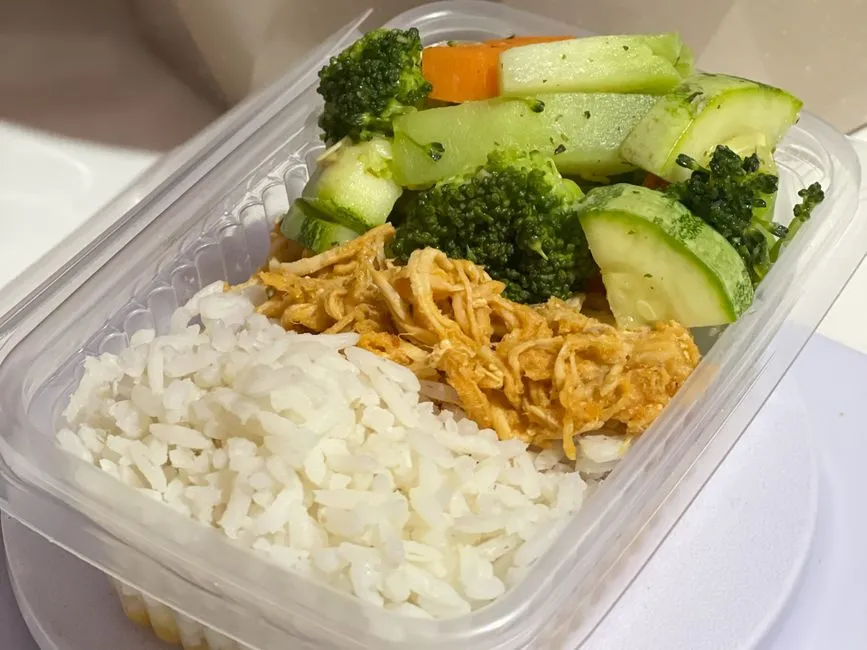
What a $30 Week of Meals for One Actually Looks Like
A budget meal plan for one person works backward from a single number: your weekly grocery spend. This plan covers 21 meals — breakfast, lunch, and dinner for seven days — from one shopping trip of about $29, or roughly $1.39 per meal. It leans on a short list of overlapping ingredients (eggs, rice, beans, chicken thighs, oats, frozen vegetables) so nothing gets bought for a single recipe and nothing dies in the crisper drawer.
That last part is the whole trick. Cooking for one isn't expensive because single portions cost more to cook — it's expensive because packages are sized for families, and the unused half gets thrown away. The fix is a plan where every ingredient appears in at least two meals, and where tonight's dinner is deliberately tomorrow's lunch.
If you've seen our 7-day meal plan for under $50, this is the same philosophy scaled down for a solo cook: fewer ingredients, smaller quantities, more repetition on purpose.
The $30 Grocery List for One Person
Here's the full list. Prices are typical for a discount grocer or store-brand aisle in the US; your exact numbers will vary by region, so treat these as planning estimates rather than a receipt.
| Item | Quantity | Typical Cost |
|---|---|---|
| Eggs | 1 dozen | $2.50 |
| White rice | 2 lb bag | $2.00 |
| Canned black beans | 2 cans | $2.00 |
| Pasta | 1 lb | $1.25 |
| Crushed tomatoes | 1 large can | $1.25 |
| Chicken thighs (bone-in) | ~1.5 lb | $4.50 |
| Frozen mixed vegetables | 1 bag (12–16 oz) | $1.20 |
| Rolled oats | 1 canister | $2.50 |
| Bananas | ~2 lb | $1.20 |
| Peanut butter | 1 jar | $2.50 |
| Sandwich bread | 1 loaf | $1.50 |
| Onions | 2 | $1.20 |
| Carrots | 1 lb | $1.00 |
| Flour tortillas | 8-count | $2.00 |
| Cheddar cheese | 8 oz block | $2.50 |
| Total | $29.10 |
Assumed pantry basics: cooking oil, salt, pepper, and one or two spices (garlic powder, chili powder, or cumin). If you're starting from a truly bare kitchen, budget an extra few dollars this week — those items last months and drop out of future weeks entirely.
A few notes on the list:
- Chicken thighs, not breasts. Bone-in thighs are usually the cheapest cut per pound of usable meat, and they stay juicy when reheated — which matters when half your lunches are leftovers.
- Block cheese, not shredded. Shredded costs more per ounce for the convenience. Grate it yourself in thirty seconds.
- Frozen vegetables over fresh for anything that gets cooked. They're picked ripe, they don't spoil on your schedule, and the price per serving is hard to beat.
- Two cans of beans instead of dried, because a solo cook rarely wants to babysit a pot of dried beans for one serving. If you do cook dried, your cost drops further.
The 7-Day Meal Plan
Breakfasts and lunches repeat on a simple rotation — that's deliberate. Variety is expensive; rotation is cheap. Dinners are where the plan changes flavor day to day.
Breakfasts (pick your rotation)
- Oatmeal with sliced banana and a spoonful of peanut butter — the workhorse. Filling, fast, and costs well under 50 cents a bowl.
- Two eggs, scrambled or fried, with toast — for days you want something savory.
You have enough oats, eggs, bananas, and bread to alternate freely all week.
Lunches
Most lunches are planned leftovers from the night before. On non-leftover days:
- Peanut butter and banana sandwich — cheap, no cooking, travels well.
- Bean and cheese quesadilla — a tortilla, a scoop of black beans, grated cheddar, two minutes in a dry skillet.
Dinners, day by day
Day 1: Roasted chicken thighs with rice and vegetables. Roast all the chicken thighs tonight (about 35–45 minutes at 425°F, until the thickest part reaches 165°F / 74°C). Eat one or two with rice and a scoop of frozen veg. The rest of the chicken becomes three more meals this week. Cook a big pot of rice while the oven is on — you'll use it for days.
Day 2: Pasta with tomato sauce. Simmer crushed tomatoes with sautéed onion, salt, and whatever spices you have. Cook half the pasta box. Tonight's extra portion is tomorrow's lunch.
Day 3: Bean and cheese quesadillas. Two tortillas, black beans mashed with a little chili powder, grated cheddar. Add sautéed onion if you're feeling ambitious.
Day 4: Chicken fried rice. Leftover cold rice, shredded leftover chicken, frozen vegetables, and an egg scrambled in at the end. This is the best meal of the week and it's built entirely from things you already cooked. Use up the last of the Day 1 chicken here — cooked chicken keeps 3–4 days refrigerated, so Day 4 is its last safe day.
Day 5: Black bean rice bowl. The second can of beans, warmed with spices, over rice, topped with cheddar and any leftover vegetables. A fried egg on top turns it into something you'd order at a restaurant.
Day 6: Carrot, onion, and tomato soup with grilled cheese. Simmer chopped carrots and onion in the remaining crushed tomatoes plus a couple cups of water, season assertively, and pair with a grilled cheese made from your bread and cheddar.
Day 7: Clean-out night. Finish the pasta with the remaining sauce, or make egg fried rice, or build quesadillas from whatever's left. The goal on Day 7 is a zero-waste fridge, not a specific recipe.
Snacks
Bananas, toast with peanut butter, or a boiled egg. If you have a few dollars of headroom in your budget, a bag of popcorn kernels is the cheapest snack per serving in the store.
Why Cooking for One Costs More Per Serving (and How This Plan Fixes It)
Solo cooks face three structural problems that families don't:
- Package sizes are wrong. A bunch of cilantro, a loaf of bread, a jar of sauce — all sized for households. Half gets wasted, which silently doubles the real cost of what you ate.
- No leftovers culture. Cooking one portion at a time means cooking every single day, and daily cooking fatigue is how takeout happens.
- Variety pressure. Buying ingredients for seven different dinners means seven sets of ingredients, most only partially used.
This plan attacks all three. Every ingredient is used at least twice. You cook a real batch twice (chicken on Day 1, sauce on Day 2) and coast on the results. And repetition is reframed as a feature: the rice you made Monday is the reason Thursday's fried rice takes ten minutes.
For the bigger-picture version of this system — how to build your own plan around any dollar amount — see our guide to making a weekly meal plan on a budget.
Food Safety Rules for the Solo Cook
Leftovers are the backbone of this plan, so store them right:
- Refrigerate cooked food within two hours of cooking, in shallow containers so it cools quickly.
- Eat refrigerated leftovers within 3–4 days. That's why the roast chicken is scheduled to run out by Day 4, not Day 6.
- Reheat leftovers until steaming hot throughout, not just warm.
- Cook chicken to 165°F (74°C) at the thickest part. A cheap instant-read thermometer pays for itself in never serving yourself undercooked chicken.
If you cook a batch you can't finish in four days, freeze the extra portions on day one or two — most of this plan's dinners freeze well.
Swaps and Flex Points
The plan is a framework, not a rulebook. Common adjustments:
- Vegetarian: drop the chicken and add a third can of beans, a block of tofu, or extra eggs. You'll come in a few dollars under budget.
- More protein: the cheapest upgrades are an extra dozen eggs or a tub of store-brand Greek yogurt for breakfasts.
- Hate repetition: split the difference — keep breakfasts and lunches on rotation, and spend your variety budget on dinners.
- Prices higher in your area: the levers to pull first are dropping the cheese (save ~$2.50), swapping chicken thighs for a second bag of beans and rice-based dinners, or buying whichever protein is on markdown instead of the one on the list.
For a sense of whether $30 a week is realistic where you live, our breakdown of how much you should spend on groceries covers typical ranges by household size — $30 is on the lean end for one person, workable but intentionally tight.
Stretching Into Week Two
The quiet win of week one: you end it with leftovers of the pantry kind. The oats, peanut butter, rice, and spices you bought won't be used up, which means week two's list is shorter and cheaper — often $5–8 less for the same meals. This compounding is why the first week of any budget plan feels the tightest.
If even $30 isn't available this week, don't try to shrink this plan further — switch strategies. Our guide to meals for when you're truly broke is built for exactly that situation, with dishes that cost cents rather than dollars.
The Bottom Line
A week of meals for one person under $30 comes down to four moves: shop from a short list where everything overlaps, cook your protein and starches in batches, schedule leftovers as real meals instead of afterthoughts, and let breakfasts and lunches repeat so your money goes to dinners. The plan above is one working version — steal it outright the first week, then start swapping in your own favorites once the rhythm feels natural.
Frequently asked questions
Is $30 a week a realistic grocery budget for one person?
It's on the lean end but workable, especially at a discount grocer with store brands. Typical solo grocery spending in the US runs well above that, so treat $30 as an intentionally tight target rather than a comfortable norm. The keys are a short overlapping ingredient list, batch cooking, and letting breakfasts and lunches repeat. Prices vary by region, so your exact total may land a few dollars either way.
Why does cooking for one cost more per serving than cooking for a family?
Three reasons: grocery packages are sized for households, so unused halves get wasted; cooking single portions daily leads to fatigue and takeout; and chasing variety means buying seven sets of ingredients that are each only partially used. A good solo plan fixes this by using every ingredient in at least two meals and treating leftovers as scheduled lunches, not afterthoughts.
How long do leftovers last when meal planning for one?
Refrigerated leftovers are safe for 3 to 4 days. Get cooked food into the fridge within two hours, store it in shallow containers so it cools quickly, and reheat until steaming hot throughout. If you batch-cook more than you can eat in four days, freeze the extra portions within the first day or two — most rice, bean, and chicken dishes freeze well.
What are the cheapest proteins for a single person on a budget?
Eggs, canned or dried beans, and bone-in chicken thighs are consistently among the cheapest proteins per serving. Thighs usually beat breasts on price and reheat better, which matters when leftovers are half your lunches. Peanut butter and lentils are strong backups. If your store marks down meat near its sell-by date, buying whatever protein is discounted and cooking it that day stretches the budget further.
Can I make this meal plan vegetarian?
Yes, and it gets cheaper. Drop the chicken and replace it with a third can of beans, a block of tofu, or an extra dozen eggs — any of those costs less than the chicken, so you'll come in a few dollars under $30. The rice bowls, quesadillas, pasta, and soup in the plan are already meat-free or easily made so.
Does a budget meal plan for one get cheaper after the first week?
Usually, yes. The first week carries startup costs: oats, peanut butter, rice, and spices that last well beyond seven days. In week two those items are already in your pantry, so the same meals often cost $5 to $8 less. This is why the first week of any budget plan feels tightest — the savings compound as your staples build up.