 Easy Budget Meals
The Budget Pantry Staples List: 30 Cheap Foods to Always Stock
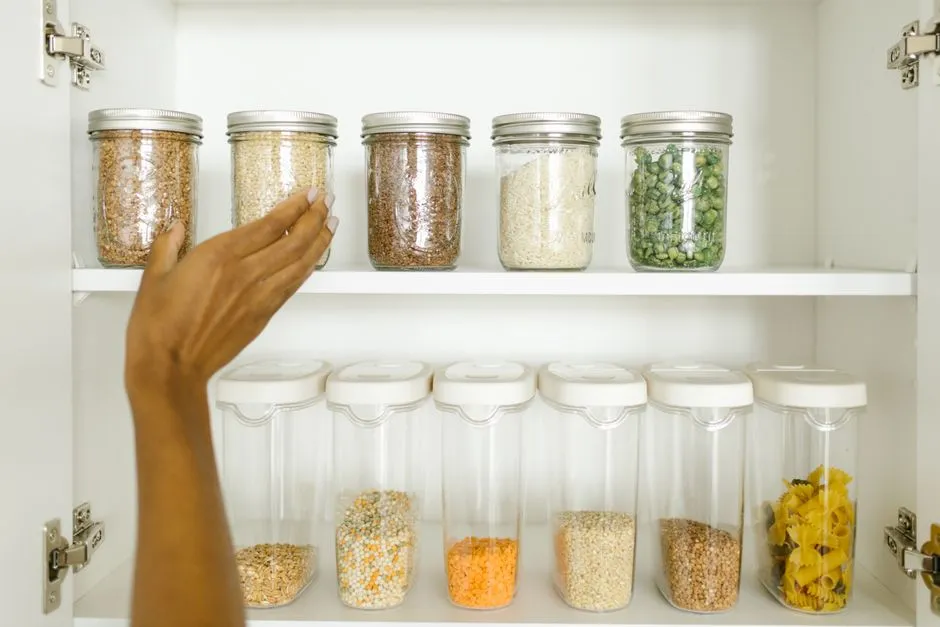
- The 30 Cheap Pantry Staples Worth Stocking First
- The Cheap Carbs and Grains (Your Meal Base)
- The Cheap Proteins (Where the Real Value Is)
- The Cheap Flavor Builders (Cans, Jars, and Bottles)
- The Aromatics and Fresh-ish Staples
- Frozen Backups Worth Keeping
- How to Build This Pantry Without Blowing Your Budget
- What a Stocked Pantry Actually Costs
- Turning Staples Into Meals
- Common Pantry Mistakes That Waste Money
- A Few Rules for Keeping Costs Down
The 30 Cheap Pantry Staples Worth Stocking First
A budget pantry isn't a bunker full of canned goods you'll never eat. It's a short, deliberate list of cheap, versatile ingredients that combine into dozens of meals. Stock the 30 foods below and you can put dinner on the table almost any night without a store run: dried beans and rice for the base, canned tomatoes and stock for the sauce, oil, vinegar, and a handful of spices for the flavor. Most of these cost a few dollars, keep for months to years, and stretch across breakfast, lunch, and dinner.
Below is the full list, grouped by what each food actually does in your kitchen, with realistic price ranges (they vary by region, store, and over time) and rough shelf lives so you can build a working cupboard without overspending or over-buying.
The Cheap Carbs and Grains (Your Meal Base)
These are the calories that fill a plate for pennies. Buy the biggest bag you'll realistically use before it goes stale, and store it airtight.
- White rice — the cheapest cooked calorie in most stores. A 5-10 lb bag lasts a small household weeks.
- Rolled oats — breakfast, but also a cheap binder for meatballs and a thickener for soups.
- Dried pasta — endlessly flexible, cooks in minutes, keeps for years.
- Flour — the difference between buying bread and making it; also thickens sauces.
- Cornmeal / polenta — cheap, filling, and a nice change from rice and pasta.
- Potatoes — technically produce, but they behave like a pantry staple: cheap, filling, and long-keeping in a cool, dark spot.
Rice and pasta are close competitors for the cheapest-carb crown, and which wins depends on what's on sale. We break the math down in is rice or pasta cheaper if you want to optimize the base of every meal.
| Staple | Typical price | Rough shelf life (unopened/dry) |
|---|---|---|
| White rice | $0.60-$1.20 / lb | 2+ years |
| Rolled oats | $0.10-$0.20 / oz | 1-2 years |
| Dried pasta | $1-$2 / lb | 2-3 years |
| All-purpose flour | $0.40-$0.70 / lb | 6-12 months |
| Cornmeal | $0.50-$1 / lb | 1 year |
| Potatoes | $0.50-$1 / lb | 3-8 weeks (cool, dark) |
The Cheap Proteins (Where the Real Value Is)
Protein is usually the most expensive part of a meal, which is exactly why the pantry version saves you the most money. Dried and canned legumes deliver protein for a fraction of the cost of meat.
- Dried beans (black, pinto, kidney, chickpeas) — the single best value in the store. A one-pound bag makes six-plus servings.
- Canned beans — pricier than dried but ready in two minutes; keep a few for busy nights.
- Dried or canned lentils — cook in 20-30 minutes with no soaking, cheaper than most beans per serving.
- Peanut butter — protein, fat, and calories in one jar; keeps for months.
- Canned tuna or sardines — cheap, shelf-stable animal protein for salads, pasta, and toast.
- Eggs — not shelf-stable, but so cheap per gram of protein that no budget kitchen should be without them.
Dried beans are the backbone of cheap cooking, and people worry about them going stale. The short version: they last a long time but get harder to soften with age. The full storage-and-shelf-life picture is in how long do dried beans last.
The Cheap Flavor Builders (Cans, Jars, and Bottles)
This is the category that separates a sad plate of rice from an actual meal. None of it is expensive, and a little goes a long way.
- Canned diced or crushed tomatoes — the base of countless sauces, soups, and stews.
- Tomato paste — concentrated flavor; a tablespoon deepens almost anything.
- Stock or bouillon — cubes or paste are the cheapest way to turn water into flavor.
- Cooking oil (vegetable or canola for everyday, olive if the budget allows) — you need fat to make cheap food taste good.
- Vinegar (white and/or apple cider) — acid brightens bland food instantly and costs almost nothing.
- Soy sauce — salt plus savory depth; transforms rice, eggs, and vegetables.
- Canned coconut milk — turns beans, lentils, or vegetables into a rich curry for about a dollar a can.
The spice starter kit
You don't need a 40-jar rack. A handful of spices covers most of the world's cheap comfort food:
- Salt — the one thing that makes everything taste like more of itself.
- Black pepper
- Garlic powder and onion powder — cheap, shelf-stable backup for the real thing.
- Cumin — the backbone of chili, curries, and taco filling.
- Chili powder or paprika — warmth and color.
- Dried oregano or Italian herbs — for anything tomato-based.
Whole spices and store-brand jars are far cheaper than name brands, and the quality gap is small. Buying spices from the bulk bin or an international grocery can cut the price by half or more.
The Aromatics and Fresh-ish Staples
A few longer-keeping fresh items earn a permanent spot because they start almost every good meal.
- Onions — cheap, keep for weeks in a cool spot, and build flavor in nearly everything.
- Garlic — a few cents per clove and worth ten times that in flavor.
- Carrots — cheap, sturdy, and the base (with onion and celery) of most soups and stews.
Frozen Backups Worth Keeping
The freezer is an extension of the pantry, and frozen produce is often cheaper, less wasteful, and just as nutritious as fresh.
- Frozen mixed vegetables or peas — no spoilage, portion what you need.
- Frozen spinach — pennies per serving, disappears into soups, eggs, and pasta.
- Frozen berries — for oats and baking, cheaper than fresh out of season.
How to Build This Pantry Without Blowing Your Budget
Buying all 30 at once is a $60-$100 hit most people can't absorb in one trip. You don't have to. Build it in layers over a few normal shopping trips.
Week one: the non-negotiables
Start with the cheapest, most flexible foods: rice, dried beans, pasta, canned tomatoes, oil, salt, onions, and eggs. For roughly $15-$25 that alone unlocks dozens of meals — bean and rice bowls, pasta with tomato sauce, fried rice, lentil soup.
Week two: the flavor layer
Add vinegar, soy sauce, stock, cumin, chili powder, garlic, and peanut butter. This is the cheap upgrade that makes the base ingredients taste like real cooking instead of survival food.
Week three onward: fill in the gaps
Round out with oats, flour, canned tuna, coconut milk, frozen vegetables, and whatever else fits your cooking. By now you've spread the cost across three normal trips and never felt the pinch.
Buy the shelf-stable staples in the biggest size you'll use before they expire — the per-unit price on a large bag of rice or beans is often 30-50% lower than the small one. That single habit, plus a few others, is covered in our guide on how to save money on groceries.
What a Stocked Pantry Actually Costs
Here's a realistic snapshot of building the core list. Prices are estimates that vary widely by region and store, so treat them as a planning range, not a quote.
| Pantry layer | Rough one-time cost | What it unlocks |
|---|---|---|
| Base carbs (rice, pasta, oats, flour) | $10-$18 | The filling half of every plate |
| Proteins (dried beans, lentils, peanut butter, tuna, eggs) | $12-$22 | Cheap protein for 20+ meals |
| Flavor (tomatoes, stock, oil, vinegar, soy, spices) | $15-$28 | Turns staples into actual dinners |
| Aromatics + frozen | $8-$15 | Fresh flavor and no-waste vegetables |
| Full starter pantry | $45-$85 | Weeks of meals from the cupboard |
Spread across two or three trips, that's an extra $15-$30 per shop — and it pays itself back fast, because a stocked pantry is what lets you skip the expensive last-minute takeout order.
Turning Staples Into Meals
A pantry is only worth stocking if you cook from it. The good news is that these 30 foods recombine endlessly:
- Rice + beans + cumin + onion → burrito bowls or a pot of chili.
- Pasta + canned tomatoes + garlic + oil → a 15-minute dinner.
- Lentils + stock + carrot + onion → a pot of soup that feeds four for a couple of dollars.
- Oats + peanut butter + frozen berries → breakfast that costs under 50 cents.
- Eggs + rice + frozen peas + soy sauce → fried rice from nothing.
When the fridge looks empty but the cupboard is stocked, you're never actually out of options. For a full playbook of no-shopping dinners, see what to cook with only pantry staples.
Common Pantry Mistakes That Waste Money
Stocking a pantry can quietly cost you money if you do it wrong. A few patterns show up again and again in budget kitchens.
- Buying for a fantasy version of yourself. The exotic grain or specialty sauce you bought "to try" usually sits untouched until it expires. Stock what you actually cook, and add one new ingredient at a time.
- Over-buying perishables because they're cheap. A five-pound bag of onions is a great deal only if you use them before half go soft. Match the size to your real pace.
- Ignoring the unit price. The big bag is usually cheaper per pound, but not always — sale-priced small sizes sometimes beat the bulk one. Check the shelf tag's per-unit number, not the sticker price.
- Poor storage. Flour, rice, and oats left in their paper bags invite pantry moths and go stale faster. A few airtight containers pay for themselves the first time they save a bag of grain.
- Forgetting what you own. A pantry you can't see is a pantry you re-buy. Keep it shallow and organized so you're not stacking a third jar of cumin behind two you forgot about.
How much to keep on hand
For a one- or two-person household, a working pantry doesn't need to be large. A couple of pounds each of rice, pasta, and dried beans, a few cans of tomatoes, one bottle each of oil, vinegar, and soy sauce, and your spice starter kit will carry you through most weeks. Scale up modestly for a family, but resist the urge to build a warehouse — food you don't rotate is money sitting on a shelf slowly losing value.
A Few Rules for Keeping Costs Down
- Buy generic. Store-brand rice, beans, canned tomatoes, and spices are usually identical to name brands at a lower price.
- Store it right. Airtight containers keep dry goods fresh far longer and protect against pantry moths — a jar of ruined flour is money in the trash.
- Rotate. Put new purchases behind older ones so nothing expires forgotten in the back.
- Don't over-stock perishables. Onions, potatoes, and garlic are cheap but not immortal; buy what you'll use in a few weeks.
- Let sales dictate the extras. Stock up on the shelf-stable staples when they hit a low price, and skip them when they don't.
A working pantry is less about having everything and more about always having enough of the right cheap things to make a meal. Start with the base list, add flavor, and you'll spend less at the register while eating better than a full-price cart ever delivered.
Frequently asked questions
What are the cheapest pantry staples to stock first?
Start with the highest-value, most flexible foods: white rice, dried beans, pasta, canned tomatoes, cooking oil, salt, onions, and eggs. For roughly $15-$25 those alone unlock bean and rice bowls, pasta with sauce, fried rice, and lentil soup. Add flavor builders like vinegar, soy sauce, stock, and a few spices next. Prices vary by region and over time.
How much does it cost to stock a basic pantry?
A core starter pantry typically runs $45-$85 as a one-time build, depending on region, store, and how much you buy. Spread across two or three normal shopping trips, that's an extra $15-$30 per trip. Buying the biggest size of shelf-stable staples you'll use before they expire lowers the per-unit cost by 30-50%.
What pantry staples last the longest?
White rice, dried pasta, and dried beans keep for two or more years when stored airtight in a cool, dry spot. Cornmeal, oats, and canned goods last one to two years. Flour keeps six to twelve months. Aromatics like onions, garlic, and potatoes last only weeks, so buy those in smaller amounts you'll actually use.
What spices do I need for a budget pantry?
You don't need a big rack. A handful covers most cheap comfort food: salt, black pepper, garlic powder, onion powder, cumin, chili powder or paprika, and dried oregano or Italian herbs. Buy store-brand jars or shop the bulk bin at an international grocery, where prices are often half those of name-brand spices.
Are dried beans or canned beans cheaper?
Dried beans are significantly cheaper per serving; a one-pound bag makes six or more servings for the price of one or two cans. Canned beans cost more but are ready in two minutes, so keep a few for busy nights. As a rule of thumb, cook dried beans in batches and freeze portions for canned-level convenience at the dried-bean price.
How do I stock a pantry on a tight budget without overspending?
Build it in layers over a few normal trips instead of one big haul. Week one covers non-negotiables like rice, beans, pasta, tomatoes, and eggs. Week two adds the flavor layer of vinegar, soy sauce, stock, and spices. Buy generic, store everything airtight, rotate stock so nothing expires, and only stock up on shelf-stable extras when they hit a low sale price.