 Easy Budget Meals
Meal Prep vs Batch Cooking: What's the Difference and Which Saves More?
Meal Prep vs Batch Cooking: The Short Answer
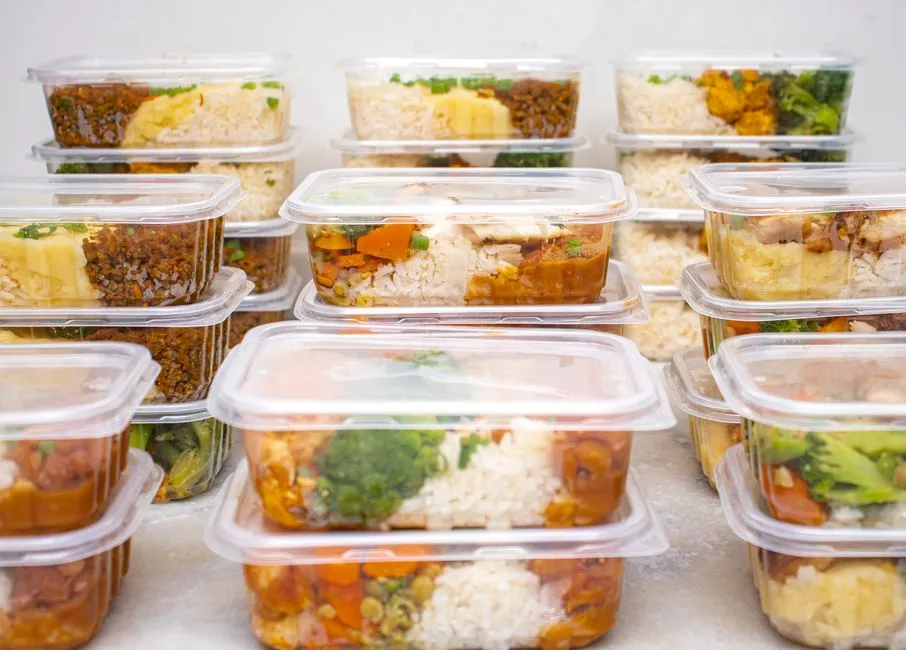
Meal prep and batch cooking are related but not the same. Meal prep means assembling individual, ready-to-eat portions — think five identical lunch containers you grab on the way out the door. Batch cooking means making a large quantity of one component or dish — a big pot of chili, a tray of roasted vegetables, four cups of cooked rice — that you then portion, freeze, or remix into different meals during the week.
If you only care which one saves the most money, the honest answer is batch cooking usually wins on cost, because it leans on bulk buying and flexible ingredients, while meal prep usually wins on time and convenience, because everything is decided and packaged in advance. Most people who cook on a tight budget end up doing a hybrid: batch-cook the cheap building blocks, then prep a few portions from them.
The Core Difference
The confusion is fair — the two overlap constantly, and plenty of people use the terms interchangeably. Here is the cleanest way to separate them.
- Meal prep is about finished meals. The output is a portioned, plated meal (protein + carb + veg in a container) ready to reheat and eat. The goal is to remove decisions and cooking from your weekdays entirely.
- Batch cooking is about quantity of one thing. The output is a large volume of a single dish or component. The goal is efficiency — cook once, use the results across several different meals.
A quick test: if you opened your fridge on Wednesday and found five identical labeled containers, that's meal prep. If you found a big tub of cooked beans, a pot of tomato sauce, and a bag of cooked rice waiting to become three different dinners, that's batch cooking.
Where they overlap
Batch cooking is often the first step inside meal prep. You batch-cook a pot of shredded chicken, then portion it into meal-prep containers with rice and broccoli. So the two aren't rivals so much as different layers of the same habit. When people ask how to batch cook versus how to meal prep, they're often really asking which layer to start with.
Meal Prep vs Batch Cooking at a Glance
| Factor | Meal Prep | Batch Cooking |
|---|---|---|
| Output | Individual ready-to-eat portions | Large quantity of one dish/component |
| Best for | Grab-and-go lunches, fixed routines | Dinners, freezer stock, flexible weeks |
| Variety | Lower — you eat the same meal repeatedly | Higher — remix one base into many meals |
| Time to assemble | Higher upfront (portioning everything) | Lower (one dish, portion later) |
| Cost efficiency | Good | Usually better (bulk buying) |
| Food waste risk | Higher if you get bored of a meal | Lower — components flex to taste |
| Storage | Many small containers | A few large containers + freezer bags |
| Learning curve | Low | Low to moderate |
Which One Actually Saves More Money?
The question behind the question is usually "is batch cooking cheaper?" — and in most kitchens, yes, modestly. Here's why the math tends to favor it.
Batch cooking buys in bulk
Batch cooking is built around large quantities, which pushes you toward the cheapest formats: dried beans instead of canned, a whole chicken instead of parts, a five-pound bag of rice, a full squash. Buying the bulk format often drops the per-serving cost by 20% to 50% compared with single-meal quantities, though the exact savings depend on your store, your region, and what's on sale that week.
Batch cooking wastes less
Because batch-cooked components are flexible, they bend to your appetite. A tub of cooked lentils can become soup, tacos, or a grain bowl depending on your mood. Rigid meal-prep portions, by contrast, get abandoned when you're sick of eating the same thing by Thursday — and abandoned food is money in the trash. Food waste is one of the biggest hidden costs in any food budget, so the format that wastes less usually wins.
Where meal prep pulls ahead
Meal prep saves money in one important, indirect way: it kills the "I'm too tired to cook, let's order takeout" impulse. If a ready meal is sitting in the fridge, you eat it instead of spending $15 to $25 on delivery. For people whose budget leaks mostly through convenience spending, meal prep's guaranteed grab-and-go meal can save more real dollars than a slightly cheaper pot of beans ever would.
So the truthful answer to "which saves more?" is: batch cooking saves more on ingredients; meal prep saves more on behavior. Figure out where your money actually leaks, and match the method to the leak.
Time, Effort, and Sustainability
Money isn't the only cost. The method you'll actually keep doing is the one that saves you the most, so weigh the effort honestly.
Meal prep: front-loaded and rigid
A typical meal-prep session runs 1.5 to 3 hours on a weekend: cook everything, portion it into containers, label, refrigerate. The payoff is that weekday cooking drops to zero. The risk is monotony — five identical dinners sounds efficient on Sunday and grim by Thursday. Combat it by prepping only two or three days at a time, or by prepping components (see below) rather than fully assembled plates.
Batch cooking: lower ceiling, more flexibility
Batch cooking can be as small as making a double portion of tonight's dinner and freezing half. There's no marathon session required. You cook the way you normally would, just more of it, then stash the surplus. This is why batch cooking is often the easier habit to sustain — it folds into cooking you're already doing rather than demanding a dedicated block of time.
The Hybrid Approach (What Most Budget Cooks Actually Do)
You don't have to choose. The most sustainable, lowest-cost system borrows from both:
- Batch-cook 2 or 3 cheap bases. A pot of beans or lentils, a big batch of rice or another grain, and a versatile protein like shredded chicken or a lentil-and-veg mix. These are your building blocks.
- Batch-cook one flexible sauce or flavor base. A tomato sauce, a curry base, or caramelized onions. This is what makes the same beans taste different on different nights.
- Prep just 2 or 3 grab-and-go portions from those bases for the days you know you'll be rushed — the days you'd otherwise order out.
- Leave the rest loose to remix freely, so you never get bored and nothing gets wasted.
This hybrid captures batch cooking's bulk savings and meal prep's takeout-proofing, without locking you into five identical containers. Pairing it with a weekly meal plan built around a set dollar amount is where the real savings compound.
A simple starting point
If you're brand new to either method, don't overhaul everything at once. Pick one dish this week, make a double batch, and freeze half. That single habit — cook once, eat twice — is the entire idea in miniature, and it's the same first step whether you're leaning toward meal planning as a beginner or full-on batch cooking. Add a second batched dish next week. Within a month you'll have a rotating freezer stash and a noticeably smaller food bill.
Storage and Safety Basics
Both methods only save money if the food stays good. A few general guidelines most food-safety sources agree on:
- Cooked leftovers keep 3 to 4 days in the fridge as a rule of thumb. Label everything with the cook date so nothing lingers past its window.
- Most batch-cooked dishes freeze well for 2 to 3 months without major quality loss. Soups, stews, chili, sauces, and cooked grains freeze especially cleanly.
- Cool food quickly before refrigerating — don't leave large batches sitting at room temperature for more than about two hours.
- Freeze in meal-sized portions so you thaw only what you need and refreeze nothing.
Foods that don't freeze well — crisp salads, fried textures, cream-heavy sauces, plain cooked pasta that turns mushy — are better suited to short-term fridge meal prep than long freezer storage.
The Bottom Line
Meal prep and batch cooking solve overlapping problems from different angles. Meal prep packages finished meals to save time and defeat takeout; batch cooking mass-produces flexible components to save money and cut waste. If your budget bleeds through convenience spending, prep. If it bleeds through expensive single-meal grocery buys and forgotten leftovers, batch cook. And if you want the best of both — which most people do — batch-cook your cheap bases, prep a couple of ready portions from them, and keep the rest loose. That hybrid is the quiet engine behind almost every low-cost, low-stress kitchen.
Frequently asked questions
Is batch cooking cheaper than meal prep?
Usually, yes — modestly. Batch cooking pushes you toward the cheapest bulk formats (dried beans, whole chickens, big rice bags), which can cut per-serving cost 20% to 50%, and its flexible components waste less food. Meal prep saves money differently, by removing the tired-night takeout impulse. The cheapest overall approach combines both: batch-cook cheap bases, then prep a few ready portions from them.
What is the difference between meal prep and batch cooking?
Meal prep produces finished, portioned meals — individual containers of protein, carb, and veg ready to reheat. Batch cooking produces a large quantity of one dish or component, like a pot of chili or a batch of cooked rice, that you then split into several different meals. Put simply: meal prep packages complete meals; batch cooking mass-produces flexible building blocks.
Can you do meal prep and batch cooking together?
Yes, and most budget cooks do. The common hybrid is to batch-cook two or three cheap bases (beans, a grain, a protein) plus one flavor base, then prep just a few grab-and-go portions from them for your busiest days. This captures batch cooking's bulk savings and meal prep's takeout-proofing without locking you into five identical containers.
How long does meal-prepped or batch-cooked food last?
As a general rule, cooked leftovers keep 3 to 4 days in the fridge and most batch-cooked dishes freeze well for 2 to 3 months. Soups, stews, chili, sauces, and cooked grains freeze especially cleanly. Cool food quickly before refrigerating, freeze in meal-sized portions, and label everything with the cook date so nothing lingers past its window.
Which is better for saving time, meal prep or batch cooking?
Meal prep saves the most weekday time because meals are fully cooked and portioned in advance — reheat and eat. It costs more upfront, typically a 1.5 to 3 hour weekend session. Batch cooking has a lower time ceiling and folds into cooking you're already doing (just make a double batch), so it's often the easier habit to sustain long term.
Is meal prep or batch cooking better for beginners?
Batch cooking is usually the gentler start because it requires no marathon session — just cook a double portion of tonight's dinner and freeze half. That single cook-once-eat-twice habit is the whole idea in miniature. Add one more batched dish each week, and within a month you'll have a rotating freezer stash without ever committing to a rigid meal-prep routine.