 Easy Budget Meals
Freeze Individual Meal Portions That Reheat Well
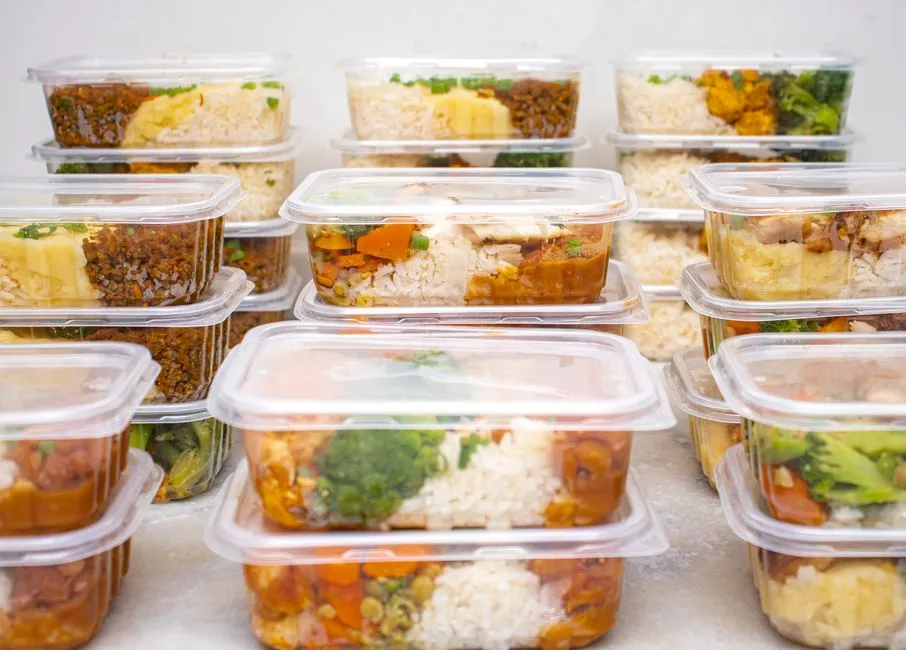
- How do you freeze individual meal portions?
- Which foods work well as single freezer meals?
- How many portions should you freeze?
- How should cooked food be cooled before freezing?
- What container size should you use?
- Should meal components be frozen together?
- What should go on the freezer label?
- How should a frozen portion be thawed?
- How do you reheat a single portion safely?
- How do you prevent freezer portions from being forgotten?
- What is the simplest portion-freezing workflow?
- Sources
How do you freeze individual meal portions?
Freeze individual meals by choosing food that reheats reasonably well, cooling and packing it safely, and sizing each container for one real meal. Label the food, freeze date, portion, and reheating plan. Leave suitable expansion space, remove excess air where practical, and freeze promptly. Reheat leftovers to 165°F (74°C). Test one portion before freezing a large batch when the texture is uncertain.
The easiest freezer portion is not the smallest container. It is the amount one person or household will actually remove, thaw, reheat, and eat at one time.
Which foods work well as single freezer meals?
Start with familiar meals that already reheat well in your kitchen. Common candidates include:
- soups, stews, and bean dishes;
- cooked grains with a sauce or topping packed separately when useful;
- casseroles divided after cooking;
- cooked meat or poultry in a moist dish;
- pasta sauce packed separately from pasta; and
- assembled meals whose components tolerate the same reheating method.
These are starting points, not guarantees. Recipe, ingredients, cooking method, package, freezer performance, and personal preference all affect the result.
Freeze one trial portion when you are unsure. Thaw and reheat it using the method you expect to use later. Check whether the portion stays appealing, heats evenly, and fits the container and appliance. If the test fails, use the remaining batch refrigerated within safe guidance instead of filling the freezer with a texture the household will avoid.
Our budget freezer-meal guide offers meal ideas. This guide focuses on turning a cooked batch into portions that are safe, visible, and practical to reheat.
How many portions should you freeze?
Count the servings with assigned jobs:
total batch servings - current meal servings - refrigerated planned servings = freezer servings
Suppose a hypothetical batch makes eight servings. Three are eaten tonight and two are assigned to refrigerated lunches:
8 - 3 - 2 = 3 freezer servings
Freeze three. Do not freeze five and quietly abandon the two lunch plans.
For a shared meal, decide whether one container should hold one person, two people, or the full household. A single portion can still be a two-person container when that is how the food will be used. Write the serving count on the label.
Our batch cooking guide helps size the full cook. Freezer space should be assigned before the ingredients are bought, not discovered after the food is ready.
How should cooked food be cooled before freezing?
Follow current food-safety guidance rather than leaving a pot on the counter until it feels convenient to pack.
The U.S. Department of Agriculture's Leftovers and Food Safety guidance says to refrigerate leftovers within two hours of cooking or removal from hot holding, or within one hour when the temperature is above 90°F (32°C). It recommends dividing large amounts into shallow containers for rapid cooling. Hot food can go directly into the refrigerator or be rapidly chilled in an ice or cold-water bath.
Use shallow containers for large amounts. Cut large cooked items into smaller portions when the source guidance calls for it. Do not seal a large deep pot and expect its center to cool as quickly as an individual portion.
Move the food into its freezer portions promptly, or cool shallow portions in the refrigerator before transferring them to the freezer. Keep the process inside the applicable time limit. Do not use a budget plan to extend it.
What container size should you use?
Match the container to the meal and reheating method.
| Planned use | Practical package | Check before filling |
|---|---|---|
| One lunch | One-meal container | Fits lunch bag and reheating appliance |
| Soup or stew | Leak-resistant container | Lid seals and expansion room remains |
| Flat grain or casserole portion | Shallow container | Food can spread for even cooling and reheating |
| Sauce | Small container or suitable freezer bag | Portion matches one later recipe |
| Two-person dinner | Clearly labelled larger container | Both portions will be used together |
Use packaging intended for freezer storage and follow its manufacturer instructions. Check whether the container is suitable for the planned microwave, oven, or other reheating method. Move food to appropriate cookware when required. Never assume freezer-safe also means oven-safe or microwave-safe.
Leave room for liquids to expand. Do not overfill a rigid container or glass jar. Use only containers whose manufacturer permits freezing, and follow its fill and temperature-change guidance.
Should meal components be frozen together?
Pack components together when they freeze and reheat by the same method and for roughly the same time. Pack separately when one part needs a different treatment.
Useful separations may include:
- sauce from pasta or a crisp topping;
- a cold garnish from a hot meal;
- bread or tortillas from a moist filling;
- one component that reheats quickly from a dense main dish; and
- a condiment that should be added after reheating.
Each extra container creates more labelling and washing. Separate only when it materially improves the later meal.
Do not freeze a garnish merely because it belongs to the recipe. Add an inexpensive fresh component later when that produces a better meal and fits the budget.
What should go on the freezer label?
Write enough information to make the meal usable:
- food name;
- freeze date;
- number of portions;
- thawing or reheating method when it is not obvious;
- an allergen or ingredient note when the household needs it; and
- a use-first note for food that should be chosen before similar portions.
Use a description that distinguishes similar containers. “Bean chili, 1 lunch” is more useful than “food.”
Write before the container becomes cold or damp if the label will not stick later. Keep a freezer list when portions are stacked behind one another. Cross an item off when it leaves the freezer.
How should a frozen portion be thawed?
USDA Freezing and Food Safety guidance identifies the refrigerator, cold water, and microwave as safe thawing methods. Refrigerator thawing takes longer. Food thawed by the cold-water method should be cooked before refreezing, and microwave-thawed leftovers should continue heating to 165°F (74°C).
Frozen leftovers can also be reheated without thawing in a saucepan, microwave, or oven when appropriate for the food and container, though reheating takes longer. Follow the appliance and package instructions.
Plan the thawing method on the weekly meal plan. A refrigerator portion must be moved early enough. A microwave plan needs packaging and portion depth that allow even heating.
Do not thaw perishable food on the counter. Do not use hot water as a shortcut.
How do you reheat a single portion safely?
FoodSafety.gov's safe minimum internal temperature chart lists leftovers at 165°F (74°C). Use a food thermometer in the coolest or thickest part, and check more than one spot when the portion is uneven.
Stir food during microwave reheating when appropriate, rotate the container, and allow standing time when the appliance instructions call for it. These steps help reduce cold spots, but the thermometer confirms the result.
Cover food as directed for the appliance and container while allowing safe venting. Open lids and steam vents away from your face and hands. Hot steam can burn.
Reheat only the amount you intend to eat. Repeatedly warming and cooling a larger container makes the storage history harder to manage.
How do you prevent freezer portions from being forgotten?
Keep similar meals together and put older portions where they can be seen. A small list on the freezer door can record:
| Meal | Portions | Frozen | Planned use |
|---|---|---|---|
| Bean stew | 3 | date on label | two lunches, one backup dinner |
| Pasta sauce | 2 | date on label | two pasta nights |
This is a template, not a storage-life claim. Use the actual freeze date and item-specific guidance.
Plan one freezer meal each week before adding another large batch. The freezer becomes more useful when food leaves it on purpose.
Use our batch-cooked food storage guide for refrigerated portions. USDA says refrigerated leftovers are generally kept three to four days. Freeze suitable extras promptly when their planned meal falls outside that window.
What is the simplest portion-freezing workflow?
- Choose a familiar meal or freeze one test portion.
- Count servings for today, refrigerated meals, and the freezer.
- Prepare suitable shallow containers and labels before cooking ends.
- Divide and cool food promptly under USDA guidance.
- Match each package to one real meal and reheating method.
- Label food, date, and portion count.
- Add the portions to the freezer list and weekly plan.
- Thaw safely and reheat leftovers to 165°F (74°C).
The budget win is not a crowded freezer. It is a labelled portion that replaces a later meal with food the household still wants to eat.
Sources
- USDA FSIS, Leftovers and Food Safety
- USDA FSIS, Freezing and Food Safety
- FoodSafety.gov, Safe Minimum Internal Temperatures
Frequently asked questions
Can hot leftovers go directly into the refrigerator?
USDA says hot food can go directly into the refrigerator. Divide large amounts into shallow containers so they cool rapidly, and refrigerate within the applicable time limit.
What should I write on a frozen meal label?
Write the food name, freeze date, number of portions, and thawing or reheating method when it is not obvious. Add needed ingredient or allergen notes.
What temperature should reheated leftovers reach?
FoodSafety.gov lists leftovers at 165°F (74°C). Check the coolest or thickest part with a food thermometer and test more than one spot when the portion heats unevenly.
Should I freeze all parts of a meal together?
Freeze components together when they use the same reheating method and timing. Pack them separately when one part should stay cold, crisp, or heat for a different length of time.