 Easy Budget Meals
Freezer Meals on a Budget: 15 Cheap Dinners That Freeze Well
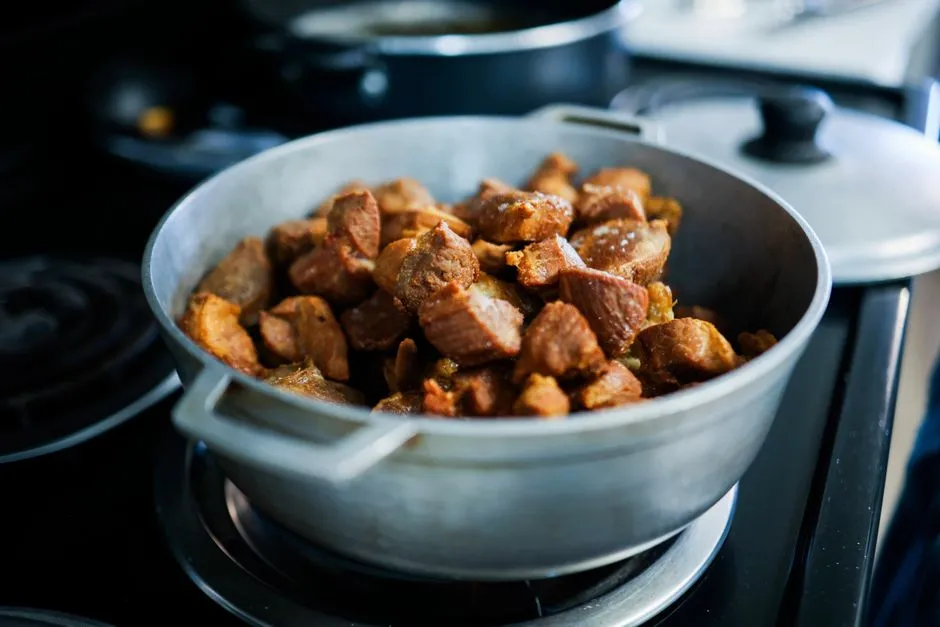
Freezer Meals on a Budget: What Actually Works
The cheapest freezer meals are the ones built on beans, ground meat, rice, pasta, and frozen vegetables — dishes with sauce or liquid that reheat without drying out. Cook a double batch of chili, soup, a pasta bake, or a burrito filling, portion it before it hits the freezer, and you turn one afternoon of cooking into 10 to 20 dinners that cost roughly $1 to $2.50 per serving. The freezer is the single best tool a budget cook owns, because it lets you buy in bulk, cook when it's convenient, and skip the takeout order on the nights you're too tired to think.
This guide covers 15 specific dishes that freeze genuinely well (not the ones that turn to mush), how to portion and label them so nothing gets lost, and roughly what each costs. Prices are ballpark ranges for the U.S. and vary by region, store, and season — treat them as planning numbers, not promises.
Why Freezer Meals Save Real Money
Freezer cooking cuts your food bill from three directions at once:
- Bulk buying pays off. A 3-pound tube of ground beef or a 10-pound bag of chicken leg quarters costs far less per pound than small packs. You can only use that volume if you have somewhere to put the extra — the freezer is that somewhere.
- You stop wasting food. Americans throw out a large share of what they buy. Freezing leftovers and about-to-turn produce before they spoil is like getting a partial refund on every shopping trip.
- You quit ordering takeout. This is the big one. A single delivery order for a family often runs $40 to $60. A freezer stocked with ready dinners removes the excuse. Even replacing two takeout nights a month can save more than your entire grocery budget's worth of stress.
The catch is that not everything freezes well. Get the method right and a $1.50 portion tastes as good as the day you made it. Get it wrong and you've frozen a brick of disappointment.
The Golden Rules of Budget Freezer Cooking
A few habits separate freezer meals that get eaten from ones that get freezer-burned and tossed.
Portion before you freeze
Freeze in the size you'll actually reheat — single servings, or family-of-four portions. A giant undivided block forces you to thaw the whole thing at once. Quart and gallon zip-top bags frozen flat stack like books and thaw fast. Cheap deli containers or reused yogurt tubs work for chunkier meals.
Label everything
Write the dish name and the date on every package with a marker. It sounds obvious, and it's the step everyone skips. An unlabeled bag of orange sauce becomes a mystery you'll never eat. Most cooked meals keep their best quality for 3 to 4 months frozen, though they stay safe well beyond that.
Cool it down first
Never put hot food straight into the freezer — it raises the temperature of everything around it. Cool meals in the fridge first, ideally within two hours of cooking. For more on safe storage windows, see our guide on how long batch-cooked food lasts.
Undercook the things that finish on reheat
Pasta, rice, and vegetables keep cooking when you reheat them. Cook them just shy of done before freezing so they don't turn to mush the second time around. Better yet, freeze the sauce separately and cook fresh pasta or rice when you eat — it's cheap and takes minutes.
Squeeze out the air
Freezer burn is just dried-out food where air touched it. Press as much air out of zip-top bags as you can before sealing — roll the bag from the bottom, or dip a nearly-sealed bag in water so pressure forces the air out. For rigid containers, leave only a small headspace and press a layer of plastic wrap directly onto the surface of stews and sauces.
15 Cheap Dinners That Freeze Well
Here are the workhorses. Each is forgiving, scalable, and built on ingredients that are cheap year-round.
Soups, Stews, and Chilis
These are the gold standard for freezing — liquid protects everything from freezer burn, and they often taste better after a few days as the flavors meld.
- Beef or bean chili — Ground beef, canned tomatoes, beans, and spices. Stretch it further with extra beans. Freezes for months.
- Lentil soup — Red or brown lentils, carrots, onion, cumin. One of the cheapest protein-rich meals you can make.
- Split pea soup — A bag of split peas plus a cheap ham hock or smoked bit feeds a crowd for a couple of dollars.
- Vegetable minestrone — A clean-out-the-crisper soup. Add small pasta at reheat, not before.
- Chicken and rice soup — Use cheap leg quarters; freeze the broth and meat, add rice fresh.
Casseroles and Bakes
Assemble, freeze raw or cooked, and bake straight from the freezer on a busy night.
- Baked ziti or pasta bake — Undercook the pasta. Sauce and cheese keep it from drying out.
- Shepherd's or cottage pie — Ground meat base under mashed potato. Freezes and bakes beautifully.
- Enchilada bake — Tortillas, beans, sauce, cheese. Cheap and freezer-proof.
- Tuna or chicken noodle casserole — Pantry-friendly and forgiving; slightly undercook the noodles.
Handheld and Portioned Meals
- Burritos — Rice, beans, cheese, maybe meat. Wrap individually in foil; reheat one at a time. Possibly the best-value freezer meal there is.
- Meatballs — Freeze cooked meatballs loose on a tray, then bag them. Drop into sauce anytime.
- Soup dumplings / stuffed pasta — Homemade or a bulk store bag; freeze on a tray first so they don't clump.
Bases and Building Blocks
These aren't full meals but turn into several. Freezing components is the smartest budget move — see our batch cooking for beginners guide for how to build a week around them.
- Cooked ground meat with onions — Brown 3 pounds at once. Becomes tacos, chili, pasta sauce, or shepherd's pie.
- Marinara or tomato sauce — A big pot from canned tomatoes costs pennies per serving. Freeze flat in bags.
- Cooked shredded chicken — Poach or slow-cook cheap thighs; freeze in 2-cup portions for soups, tacos, and casseroles.
What Does NOT Freeze Well
Save yourself the disappointment. These break down badly:
- Plain cooked potatoes (in chunks) turn grainy and watery — mashed is fine, cubed is not.
- Cream and dairy-heavy sauces can split and go grainy; add the cream when reheating instead.
- Crisp fresh vegetables — lettuce, cucumber, raw tomato — turn to slush.
- Fully cooked pasta left soft goes mushy; undercook or freeze sauce separately.
- Fried or breaded coatings lose their crunch and go soggy.
- Hard-boiled eggs become rubbery and unpleasant.
Cost Breakdown: What Freezer Meals Actually Cost
Real ballpark numbers for a batch that yields multiple servings. Costs vary by region and change over time, but the ratios hold: liquid, bean-heavy, and grain-heavy meals are always cheapest.
| Meal | Batch yield | Approx. batch cost | Cost per serving |
|---|---|---|---|
| Bean & beef chili | 8 servings | $8 – $12 | $1.00 – $1.50 |
| Lentil soup | 6 servings | $4 – $7 | $0.70 – $1.15 |
| Split pea soup | 8 servings | $5 – $9 | $0.65 – $1.15 |
| Bean & rice burritos | 10 burritos | $10 – $15 | $1.00 – $1.50 |
| Baked ziti | 8 servings | $10 – $16 | $1.25 – $2.00 |
| Shepherd's pie | 6 servings | $9 – $14 | $1.50 – $2.35 |
| Marinara sauce | 8 servings | $4 – $6 | $0.50 – $0.75 |
| Shredded chicken (base) | 8 portions | $9 – $14 | $1.10 – $1.75 |
Notice the pattern: the dishes leaning on beans, lentils, and canned tomatoes land well under a dollar a serving, while meat-forward bakes creep toward $2. Blending the two — half the meat, double the beans — pulls the whole week down. For more meals built around this math, see our cheap family dinner ideas.
A Simple 2-Hour Freezer Session
You don't need a whole day. Here's a realistic session that fills your freezer with about 20 servings:
- Start the slow stuff first. Get a big pot of chili and a pot of lentil soup simmering (10 minutes of active work each).
- Brown a batch of ground meat while they cook. Split it: half into the chili, half bagged as a base.
- Assemble burritos on the counter using canned beans, quick rice, and cheese. Wrap in foil.
- Cool, portion, label. While everything cools, cut squares of foil and label your bags and containers.
- Freeze flat. Lay bags flat on a sheet pan in the freezer; once solid, stand them upright like files.
Total hands-on time is closer to an hour spread across two. You'll walk away with chili, soup, meat base, and a stack of burritos — a week of dinners for well under $40.
Frequently Overlooked Tips
- Freeze in meal-sized flat bags. They thaw in minutes under cool water and take up almost no space.
- Keep a freezer inventory list taped to the door so meals don't disappear into the back.
- Thaw in the fridge overnight for the best texture and safety, or reheat many soups and sauces straight from frozen over low heat.
- Rotate stock — eat oldest first. The date label is what makes this possible.
- Buy meat on markdown. The manager's-special rack near the sell-by date is perfect for freezing that same day.
Freezer cooking rewards a little planning with weeks of cheap, easy dinners. Start with two dishes this weekend — a pot of chili and a batch of burritos — and build from there. Future-you, standing in front of the freezer at 6 p.m. on a Tuesday, will be very grateful.
Frequently asked questions
What meals freeze the best on a budget?
Soups, stews, chili, casseroles, pasta bakes, meatballs, and bean-and-rice burritos freeze best because they hold moisture and reheat without drying out. Sauces and cooked meat bases like marinara or browned ground beef are also excellent and stretch into several meals. Avoid crisp vegetables, cream sauces, and fully cooked pasta, which turn mushy or grainy after freezing.
How long do homemade freezer meals last?
Most cooked freezer meals keep their best quality for 3 to 4 months, though they remain safe to eat well beyond that as long as your freezer stays at 0°F. Quality slowly declines from freezer burn and texture changes, not safety. Labeling each package with the dish and date lets you rotate stock and eat the oldest meals first.
How much can you save with freezer meals?
Savings come from buying in bulk, wasting less food, and skipping takeout. Freezer meals typically cost $1 to $2.50 per serving versus $10 to $15 per person for delivery. Replacing just two takeout nights a month can save $60 to $100. Buying discounted meat to freeze the same day adds more, though exact figures vary by region and shopping habits.
Should you freeze meals cooked or raw?
It depends on the dish. Soups, stews, chili, and sauces are best frozen fully cooked. Casseroles and bakes can go either way — freezing raw keeps pasta and toppings fresher, while freezing cooked means faster reheating. Slightly undercook pasta, rice, and vegetables regardless, since they finish cooking during reheating and otherwise turn mushy.
How do you reheat freezer meals safely?
Thaw meals in the fridge overnight for the best texture, then reheat until the center reaches 165°F. Many soups, sauces, and casseroles can also go straight from frozen — reheat low and slow on the stove or bake covered in the oven. Never thaw at room temperature for hours, and don't refreeze a meal that has been fully thawed and reheated.
What foods should you not freeze?
Skip freezing crisp raw vegetables like lettuce and cucumber, plain cubed cooked potatoes, cream and dairy-heavy sauces, fried or breaded coatings, and hard-boiled eggs. These turn watery, grainy, soggy, or rubbery. If a recipe needs cream, add it when reheating instead of before freezing, and freeze sauces separately from pasta to protect texture.