 Easy Budget Meals
Batch Cooking for Beginners: How to Cook Once and Eat All Week
- What Batch Cooking Actually Means (and Why It Saves You Money)
- Batch Cooking vs. Meal Prep: A Quick Clarification
- Step 1: Start With One Dish, Not Ten
- Step 2: Cook Bases, Not Finished Meals
- Step 3: Do the Math Before You Shop
- Step 4: Portion and Store It Right
- Step 5: Freeze Like You Mean It
- Step 6: Reheat Without Ruining It
- What Containers and Gear You Actually Need
- A Realistic First Batch-Cook Session
- Common Beginner Mistakes to Avoid
- The Bottom Line
What Batch Cooking Actually Means (and Why It Saves You Money)
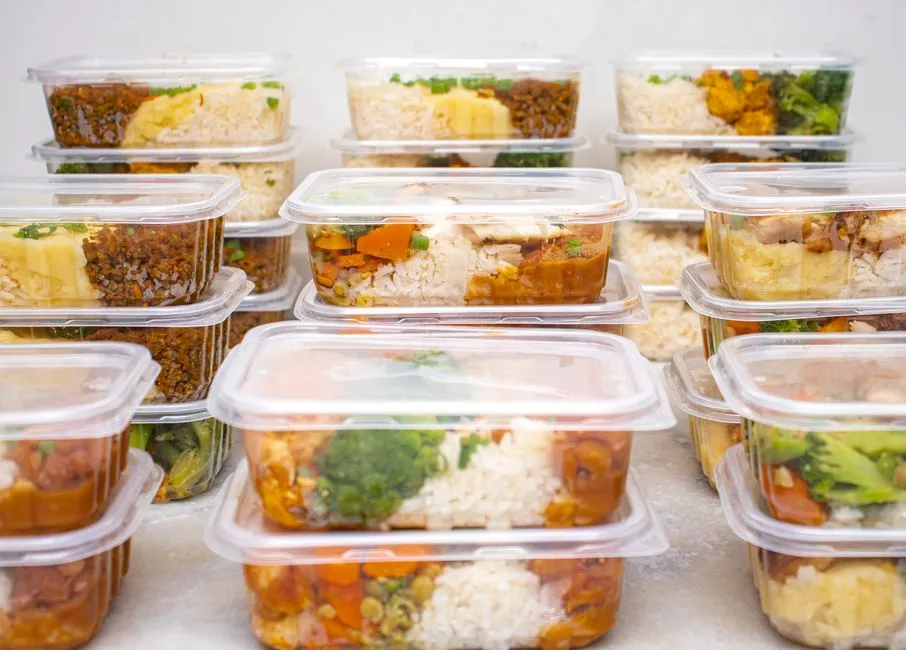
Batch cooking means cooking one or two large quantities of food at a time — a full pot, a whole sheet pan, a double recipe — and portioning it out to eat over several days or to stash in the freezer. Instead of cooking dinner five separate times, you cook once and reheat. That's the entire idea, and it's the single most reliable way to stop leaking money on takeout and last-minute grocery runs.
The savings come from two directions at once. You buy staple ingredients in larger, cheaper units (a big bag of rice, a family pack of chicken thighs, dried beans instead of canned) and you cut the impulse spending that happens when you're tired, hungry, and staring at an empty fridge at 6:30 p.m. A single Sunday cook session can easily displace two or three $15–$40 takeout orders a week. For most households that's $80–$300 a month back in your pocket, with the exact figure depending on how often you were ordering out and where you live.
You don't need special equipment, a chest freezer, or a color-coded spreadsheet to start. You need a big pot, a few storage containers, and a plan for one dish. This guide walks through exactly how to batch cook from scratch — what to make, how much, how to store it safely, and how to keep it from getting boring.
Batch Cooking vs. Meal Prep: A Quick Clarification
People use these terms interchangeably, but they're not quite the same thing. Meal prep usually means assembling complete, portioned meals in advance — five identical lunch containers of chicken, rice, and broccoli. Batch cooking means making large quantities of components or dishes that you mix, match, and finish differently through the week. Batch cooking is generally more flexible and less likely to leave you sick of the same meal by Wednesday.
Most people end up doing a blend of both, and that's fine. If you want the full breakdown of the trade-offs, see our guide on meal prep vs. batch cooking. For now, just know that this article focuses on the batch-cooking approach: cook big, portion smart, finish flexibly.
Step 1: Start With One Dish, Not Ten
The most common beginner mistake is trying to cook an entire week of meals on day one, burning out, and quitting by the following Sunday. Don't. Pick one dish for your first session — ideally something that reheats well and stretches into multiple meals.
Good starter batches are forgiving, cheap, and freeze cleanly:
- A big pot of chili or bean stew — feeds you for days, freezes indefinitely, costs pennies per bowl
- A tray of roasted vegetables — carrots, potatoes, onions, whatever's cheap that week
- A pot of rice or another grain — the base for a dozen different dinners
- Shredded seasoned chicken or a batch of taco meat — turns into tacos, bowls, wraps, and soups
- A pasta sauce or curry base — the sauce is the work; finishing it later takes minutes
Cook that one thing well, portion it, and notice how much easier your week gets. Once it's a habit, add a second dish. Within a month you'll have a comfortable rotation without ever having "prepped" in a way that felt like a chore.
Step 2: Cook Bases, Not Finished Meals
Here's the trick that keeps batch cooking from feeling like eating the same dinner five nights running: cook flexible bases rather than complete plates. A base is a component you can steer in different directions.
One pot of seasoned black beans can become:
- Burrito bowls with rice and salsa on Monday
- A quesadilla filling on Tuesday
- Soup, thinned with broth and spiced, on Thursday
One batch of shredded chicken can become tacos, a grain bowl, a sandwich, or the protein in a quick stir-fry. You cooked once, but every dinner tastes different because you're finishing each one with different sauces, toppings, and sides. This is the core mindset shift that separates sustainable batch cookers from people who quit after two weeks.
A Sample "One Cook, Many Meals" Map
| You batch cook | Meal 1 | Meal 2 | Meal 3 |
|---|---|---|---|
| Seasoned ground beef/turkey | Tacos | Pasta with meat sauce | Stuffed baked potatoes |
| Roasted mixed vegetables | Grain bowl | Frittata add-in | Blended into soup |
| Cooked rice | Fried rice | Burrito bowl | Rice pudding / side |
| Shredded chicken | Enchiladas | Chicken salad wrap | Noodle soup |
| Tomato-based sauce | Pizza night | Shakshuka | Simmer sauce for beans |
Notice how few base ingredients it takes to cover a lot of different-feeling dinners. That's the whole efficiency of the method.
Step 3: Do the Math Before You Shop
Batch cooking only saves money if you buy the cheap unit and actually use it. A little arithmetic up front prevents the two failure modes: over-buying perishables that rot, and under-buying so you're back at the store mid-week.
Here's a rough cost comparison for a few common batch bases. Prices vary significantly by region, store, and season, so treat these as planning estimates rather than fixed numbers:
| Batch base | Typical batch size | Rough total cost | Servings | Cost per serving |
|---|---|---|---|---|
| Dried beans (1 lb bag) | ~6–7 cups cooked | $1.50–$3.00 | 8–10 | $0.20–$0.35 |
| Big pot of chili | ~10 cups | $8–$14 | 8–10 | $1.00–$1.60 |
| Shredded chicken thighs (3 lb) | ~6 cups | $7–$12 | 8–12 | $0.75–$1.25 |
| Roasted vegetables (sheet pan) | ~6 cups | $4–$8 | 6–8 | $0.60–$1.15 |
| Cooked rice (2 lb dry) | ~13 cups | $2–$4 | 12–16 | $0.15–$0.30 |
Compare any of those to a $12–$18 takeout entrée and the case makes itself. If you want to build a whole week around numbers like these, our weekly meal plan on a budget walks through anchoring an entire shop to a target dollar amount.
Step 4: Portion and Store It Right
How you store a batch determines whether it becomes convenient dinners or a science experiment shoved to the back of the fridge. A few ground rules keep your food safe and appetizing.
Cool it fast
Get cooked food into the fridge within about two hours of cooking (one hour if your kitchen is hot). Large pots hold heat for a surprisingly long time, which keeps food in the bacteria-friendly temperature zone. Speed cooling by dividing the batch into shallow containers rather than refrigerating one giant pot.
Portion for how you'll actually eat
Store food in the serving sizes you'll reheat. Single-serving containers for grab-and-go lunches; family-sized containers if you're feeding a household. Label everything with the dish and the date — a strip of masking tape and a marker is all it takes. You will not remember what that frozen brick is in three weeks. Nobody does.
Fridge vs. freezer
As a rule of thumb, most cooked batch dishes keep 3–4 days in the fridge and 2–3 months in the freezer at good quality (they stay safe longer frozen, but texture slips). Soups, stews, chili, cooked grains, and shredded meats freeze especially well. For the full storage-time breakdown by dish, see how long batch-cooked food lasts in the fridge.
Step 5: Freeze Like You Mean It
The freezer is what turns batch cooking from a three-day convenience into a three-month safety net. A few habits make frozen food genuinely good rather than merely edible:
- Freeze flat. Portion soups and sauces into zip-top bags, press the air out, and lay them flat to freeze. They stack like books and thaw in minutes.
- Leave headspace for liquids. Food expands as it freezes; leave about an inch at the top of containers so lids don't pop.
- Undercook slightly if you can. Pasta, rice, and vegetables you plan to freeze do best pulled a touch early, since reheating finishes the cooking.
- Cool before freezing. Adding hot food to the freezer raises the temperature of everything around it. Cool in the fridge first.
Some foods freeze poorly and are better kept fridge-only: crisp salads, creamy dairy sauces that can split, and anything you want to stay crunchy. If you want a ready-made list of dishes engineered to survive the freezer, our budget freezer meals roundup is built entirely around that.
Step 6: Reheat Without Ruining It
Reheating is where a lot of good batches go to die. A few pointers:
- Add a splash of liquid. Grains, pasta, and stews dry out in storage. A tablespoon or two of water or broth before reheating brings them back.
- Reheat to steaming hot throughout, not just warm — around 165°F if you're checking, which matters most for meats and rice.
- Reheat frozen soups and stews from frozen in a pot over low heat, stirring occasionally, or thaw overnight in the fridge first.
- Finish fresh. Reheat the base, but add fresh toppings — herbs, cheese, a squeeze of lime, a fried egg — at the last second. It's the difference between "leftovers" and "dinner."
What Containers and Gear You Actually Need
You can start batch cooking with what's already in your kitchen, but a small amount of the right storage makes the whole system smoother. You don't need to spend much.
- A big pot and a sheet pan. The two workhorses. Almost every batch base comes out of one or the other.
- A set of stackable, same-brand containers. Matching sizes stack neatly and don't hog fridge space. A mix of single-serving and family-sized covers most needs.
- Zip-top freezer bags. The cheapest way to freeze soups and sauces flat, and they thaw fast. Reusable silicone bags work too if you'd rather not buy disposables.
- Masking tape and a marker. The single highest-value tool for labeling dates. Skip this and you'll toss good food.
Glass containers last longer and reheat without staining or absorbing odors; cheap plastic works fine to start. Buy gear gradually as the habit sticks rather than kitting out an entire kitchen before your first session.
A Realistic First Batch-Cook Session
If you want a concrete starting point, here's a two-hour Sunday session that covers most of a week for one or two people, using cheap, forgiving ingredients:
- Start a pot of dried beans (soaked the night before, or use the quick-soak method). They simmer unattended while you do everything else.
- Roast a sheet pan of vegetables — toss with oil and salt, 425°F, ~30 minutes.
- Cook a big pot of rice or another grain while the oven's going.
- Season a batch of protein — shredded chicken, taco-spiced beans, or browned ground meat.
- Portion and label everything as it cools. Some to the fridge for the next three days, the rest flat-frozen for later.
That's four flexible bases from one session. Mixed and matched with different sauces and toppings, they'll cover the better part of a week without a single repeated-feeling meal.
Common Beginner Mistakes to Avoid
- Cooking too much at once. Ambition burns out. One or two dishes per session beats ten dishes and a two-week quit.
- Making only complete meals. You'll get bored. Cook bases, finish them differently.
- Skipping labels and dates. Mystery containers get thrown out, which is just money in the trash.
- Ignoring what you actually like to eat. Batch cooking a food you tolerate but don't enjoy guarantees you won't stick with it. Batch cook your favorites.
- Refrigerating one giant pot. It cools too slowly and you can't grab a single portion. Divide it up.
The Bottom Line
Batch cooking isn't a lifestyle overhaul — it's cooking one big thing instead of five small ones and being a little organized about storing it. Start with a single forgiving dish, cook flexible bases instead of finished plates, do a quick bit of cost math before you shop, and store everything cooled, portioned, and labeled. The payoff is real: fewer decisions, less waste, noticeably lower spending, and dinner already waiting on the nights you have nothing left to give. Cook once, eat all week, and let future-you thank present-you.
Frequently asked questions
How do I start batch cooking as a beginner?
Start with one dish, not ten. Pick something forgiving that reheats and freezes well, like chili, a pot of beans, roasted vegetables, or shredded chicken. Cook a large batch, portion it into containers, label with the date, and refrigerate or freeze. Once that becomes a habit, add a second dish. Trying to cook a whole week at once is the fastest way to burn out and quit.
What foods are best for batch cooking?
The best batch foods are cheap, forgiving, and reheat without turning to mush: soups, stews, chili, curries, cooked grains like rice, dried beans, roasted vegetables, and shredded or ground seasoned meats. These freeze especially well and work as flexible bases you can finish differently each night. Avoid batching crisp salads, delicate creamy sauces, or anything you want to stay crunchy.
How long does batch-cooked food last?
As a rule of thumb, most cooked batch dishes keep 3 to 4 days in the fridge and 2 to 3 months in the freezer at good quality. Frozen food stays safe longer than that, but texture and flavor slip over time. Always cool food within about two hours of cooking, store it in shallow containers, and label everything with the date so nothing gets forgotten.
Does batch cooking actually save money?
Yes, in two ways. You buy staples in larger, cheaper units like bulk rice, dried beans, and family packs of meat, and you cut the impulse takeout that happens when you're too tired to cook. A single cook session can displace several $12 to $40 takeout orders a week, which for many households adds up to roughly $80 to $300 a month saved, depending on habits and region.
How do I keep batch cooking from getting boring?
Cook flexible bases instead of complete meals. One pot of seasoned beans can become burrito bowls, quesadillas, and soup on different nights; one batch of shredded chicken becomes tacos, wraps, bowls, and stir-fry. You cooked once, but each dinner tastes different because you finish it with different sauces, toppings, and sides. Adding fresh finishing touches is what separates real dinners from repetitive leftovers.
What's the difference between batch cooking and meal prep?
Meal prep usually means assembling complete, portioned meals in advance, like five identical lunch containers. Batch cooking means making large quantities of components or dishes that you mix, match, and finish differently through the week. Batch cooking is generally more flexible and less likely to leave you tired of the same meal, though most people blend both approaches depending on their schedule and goals.