 Easy Budget Meals
Build a Freezer Inventory You Will Keep Updated
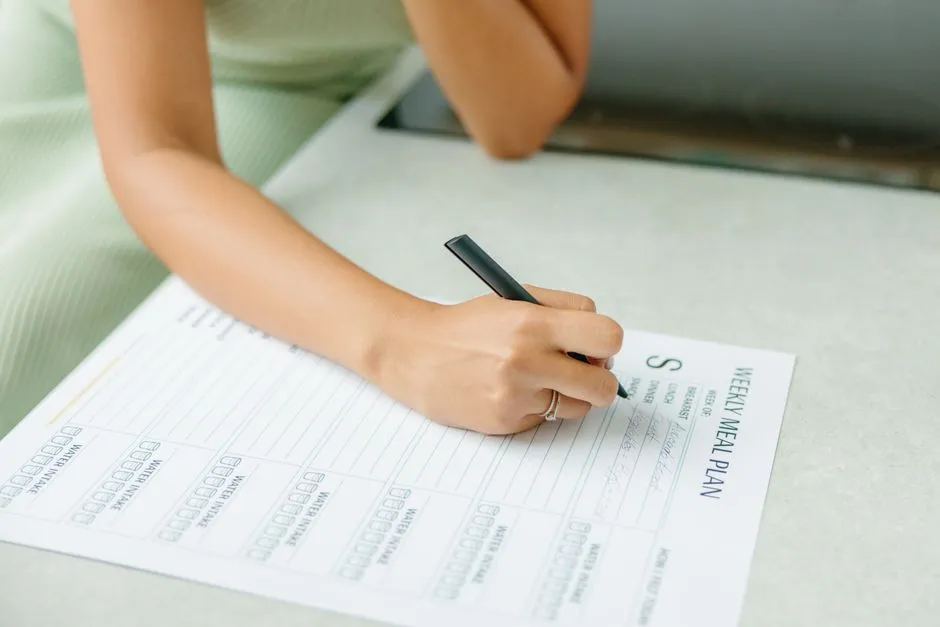
- How do you build a freezer inventory for meal planning?
- What should a freezer inventory record?
- How should you divide the freezer into zones?
- How do you make the first inventory?
- Should the list track containers or servings?
- What labels belong on the food itself?
- How do you connect the inventory to the weekly meal plan?
- When should the inventory be updated?
- How often should you audit the freezer?
- How do you handle a full freezer?
- What should happen during a power outage?
- What is the simplest freezer inventory routine?
- Sources
How do you build a freezer inventory for meal planning?
Keep one list with four fields: food, portion count, freeze date, and planned use. Divide the freezer into a few named zones, add food to the list when it goes in, and cross it off when it comes out. Review the list before writing the weekly meal plan. A useful inventory reflects what is physically there, not what someone meant to record.
The system can be paper, a whiteboard, or a shared phone note. Choose the version that can be updated while the freezer door is open for the shortest practical time.
What should a freezer inventory record?
Start with the minimum information needed to turn frozen food into a meal:
| Food | Portions | Frozen | Planned use |
|---|---|---|---|
| Bean stew | 3 | date on label | two lunches, one backup dinner |
| Cooked rice | 2 | date on label | bowls or side dishes |
| Pasta sauce | 2 | date on label | two pasta meals |
The rows are examples, not storage-life claims. Use the actual food, portion count, and freeze date.
Add a location only when the freezer has several drawers, shelves, or bins. Add a reheating note when the food needs a specific container or method. Avoid fields no one will maintain.
Useful optional fields are:
- freezer zone;
- container size;
- allergen or ingredient note for the household;
- thawing or reheating method; and
- “use first” status.
Do not use an inventory number as proof that food is safe. Follow the label, storage history, and item-specific food-safety guidance.
How should you divide the freezer into zones?
Use broad categories that match how meals are chosen. A small freezer may need only three zones:
- Ready meals: complete portions that can cover lunch or dinner.
- Cooked components: grains, sauces, beans, or other meal building blocks.
- Ingredients: uncooked food intended for later recipes.
A larger freezer might add bread, breakfast, produce, or protein zones. Label drawers or bins only when the labels make food easier to return to the right place.
Keep frequently used food visible and avoid stacking unrelated packages so tightly that older portions disappear. Store food according to appliance and package guidance. Do not block vents, controls, or required air circulation.
Heavy or awkward food should not be stored where retrieving it requires unsafe reaching. Keep the floor clear while organizing, and close the door between stages when a full audit takes time.
How do you make the first inventory?
Work one section at a time:
- prepare the list and a pen or phone;
- choose one drawer, shelf, or bin;
- read each label without opening the food;
- record the food, portions, and freeze date;
- group similar items; and
- close the freezer before moving to the next section.
Do not leave frozen food out while designing the perfect layout. If a package has no reliable identity or storage history, do not invent one from appearance. Follow safe disposal guidance when the food cannot be identified or its handling is uncertain.
The U.S. Department of Agriculture's Freezing and Food Safety guidance explains that freezing keeps food safe indefinitely when it remains continuously frozen, while recommended freezer times concern quality. That does not make an unlabelled item useful. The inventory still needs a name, date, and meal plan.
Should the list track containers or servings?
Track both when one container holds several portions. Write “2 containers / 4 servings” rather than assuming one container equals one meal.
Count the amount the household will remove at once. A large family container may be one dinner. Four individual containers may also be one dinner. The meal plan needs to know how many eating occasions the freezer can cover.
When a container is partly used, update the count immediately. Do not leave “four servings” on the list after two have been removed.
Our freezer meal guide helps choose complete meals, while the batch cooking guide separates current servings, refrigerated servings, and freezer portions before cooking.
What labels belong on the food itself?
The package label and master inventory should agree. Write:
- food name;
- freeze date;
- portion count;
- important household ingredient or allergen note; and
- reheating plan when needed.
Label the package before condensation or cold makes writing difficult. Use freezer-appropriate labels or markers that follow the packaging instructions.
Do not rely only on color or container shape. Two sauces may look alike but need different meals. A clear name prevents guessing after thawing.
If food is repacked, transfer the information at the same time. Do not wait until several plain containers are sitting together.
How do you connect the inventory to the weekly meal plan?
Review the freezer before adding new meals to the shopping list. Choose:
- one ready meal for the busiest day;
- one older suitable portion to use first;
- one cooked component that can reduce prep; and
- any ingredient that should replace a new purchase.
Write the exact freezer item on the plan. “Thursday: bean stew, 2 portions” is better than “freezer dinner.” Then reduce the inventory count when the food is removed.
Our weekly budget meal-plan guide gives the full planning sequence. Put the freezer check before the grocery list so food already paid for receives a meal job.
If the planned meal changes, return the still-frozen food to its zone and keep it on the list. If it has begun thawing, follow current food-safety guidance rather than treating it as untouched inventory.
When should the inventory be updated?
Use two triggers:
- Food goes in: label it and add the row before closing the task.
- Food comes out: reduce the portion count or cross out the row immediately.
Do not wait for a weekly cleanup to record changes. A stale list loses trust, and an untrusted list stops being used.
For a shared household, put the update method near the freezer. A small whiteboard can work when everyone is present. A shared phone note may work better when meal planning happens elsewhere. Use one source of truth, not separate lists that must be reconciled.
When someone forgets an update, correct the list without turning it into a household investigation. The physical freezer is authoritative.
How often should you audit the freezer?
Do a quick visual check before the weekly meal plan. Do a fuller section-by-section reconciliation when the list and freezer no longer agree, when a drawer becomes hard to use, or before adding a large batch.
A quick weekly check asks:
- are the planned portions physically present?
- is anything unlisted?
- is anything on the list missing?
- which labelled food should be used first?
- is there room for the next planned batch?
The audit should restore accuracy, not rearrange everything. Move only what improves visibility or access.
FoodSafety.gov's FoodKeeper app, developed by USDA's Food Safety and Inspection Service with Cornell University and the Food Marketing Institute, provides storage guidance for many foods. Use it or another authoritative item-specific source when reviewing dates. Do not create a universal freezer deadline for every food.
How do you handle a full freezer?
Pause new batch freezing until space has a named use. Schedule existing complete meals and components, then reassess capacity.
Do not compress packages against doors, vents, controls, or moving drawers. Follow the appliance manual for loading and air circulation. A container that prevents the door from sealing must be moved or removed.
Choose a “use first” row from each crowded category. Build meals around those foods before adding more of the same type.
If several portions are the same meal, keep one row with the total count and reduce it. If labels or dates differ, use separate rows so older food remains visible.
What should happen during a power outage?
Keep the freezer door closed and follow current official guidance. USDA says a full freezer will usually hold a safe temperature for about 48 hours, or 24 hours when half full, if the door remains closed. These are source-specific estimates, not permission to rely on time alone.
Use an appliance thermometer and follow USDA's food safety during power outages guidance when deciding what to keep or discard. Do not taste food to decide whether it is safe.
After the event, update the inventory only after the food-safety decisions are complete. Remove discarded items, note food that was safely refrozen, and rebuild the list from what remains.
What is the simplest freezer inventory routine?
- Divide the freezer into a few useful zones.
- Label every package with food, date, and portions.
- Keep one list with food, portions, date, and planned use.
- Add food when it goes in and subtract it when it comes out.
- Review the list before the weekly meal plan and grocery list.
- Schedule older suitable food and one ready meal.
- Reconcile one section when the list stops matching reality.
- Follow authoritative storage and outage guidance instead of inventing universal deadlines.
The inventory is finished when it makes the next meal easier to choose. If it takes longer to maintain than the meal plan saves, remove fields until the system becomes useful again.
Sources
- USDA FSIS, Freezing and Food Safety
- FoodSafety.gov, FoodKeeper App
- FoodSafety.gov, Food Safety During a Power Outage
Frequently asked questions
What should a freezer inventory include?
Record the food name, portion count, freeze date, and planned use. Add a freezer zone or reheating note only when it helps someone find and use the food.
Should I track containers or servings?
Track both when one container holds several servings. The meal plan needs to know how many eating occasions the frozen food can cover, not only how many boxes exist.
How often should I update a freezer list?
Update it every time food enters or leaves the freezer. Check it weekly before meal planning, and reconcile one section whenever the physical contents and list disagree.
What should I do with unlabelled frozen food?
Do not invent an identity or storage history from appearance. Follow safe disposal guidance when the food cannot be identified or its handling history is uncertain.