 Easy Budget Meals
Use Leftover Ingredients Before They Spoil
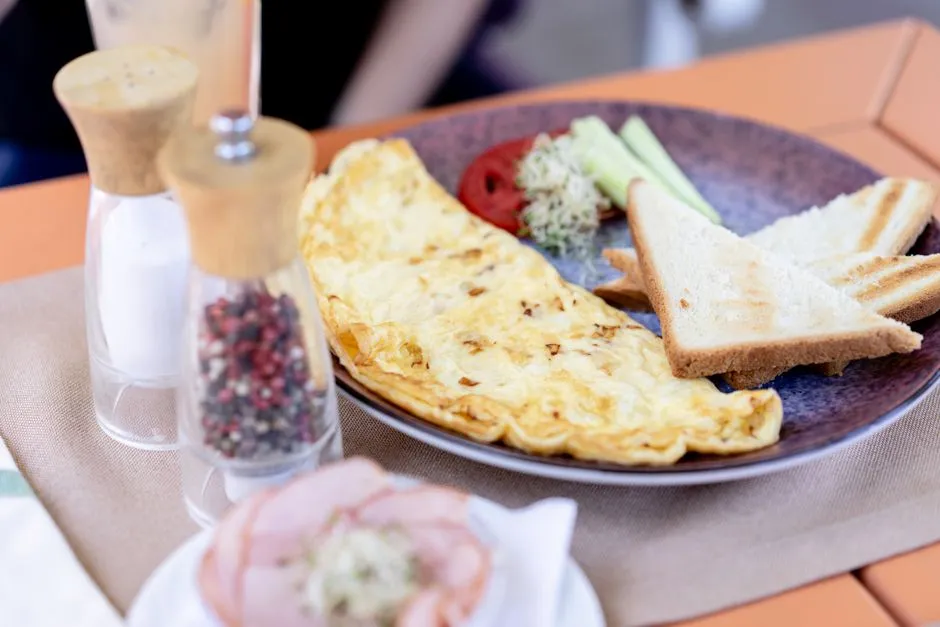
- How do you use leftover ingredients before they spoil?
- How should leftover ingredients be sorted?
- What cooking role does each ingredient fill?
- Which meal formats handle partial ingredients well?
- How do you choose the next meal?
- How do you preserve the original food-safety clock?
- When should a partial ingredient be frozen?
- How do you buy the missing pieces without creating more leftovers?
- What can you do with very small amounts?
- How do you handle leftovers after the new meal?
- What is the fastest use-it-up routine?
- Sources
How do you use leftover ingredients before they spoil?
Sort partial ingredients by urgency, then by cooking role. Give the most perishable safe food a meal job first: base, protein, vegetable, sauce, topping, or flavor. Choose a flexible format such as soup, pasta, a grain bowl, eggs, or a tray meal, and buy only the missing pieces. Keep each ingredient's original storage clock. Cooking or combining it does not make an older food new.
This method works for half a cabbage, an open tub of yogurt, two tortillas, cooked rice, or a small amount of sauce. The goal is not to force every scrap into one dish. It is to make the next safe, useful decision while there is still time.
How should leftover ingredients be sorted?
Use four groups:
- Use now: safe food that should shape the next meal.
- Use soon: food with a short remaining useful window that can fit the next few meals.
- Flexible: shelf-stable or longer-lasting food that can wait while urgent items are used.
- Freeze promptly: suitable food you will not use within its refrigerated window.
The groups are planning labels, not universal shelf-life categories. Check the food's actual storage history and item-specific guidance.
The U.S. Environmental Protection Agency's household food-waste guidance recommends making a weekly list of food that needs using and planning upcoming meals around it. Start with the refrigerator, then check the freezer, pantry, and counter storage.
Do not taste food to decide whether it is safe. When storage history is unknown or safety is uncertain, discard it under current guidance.
What cooking role does each ingredient fill?
Once urgency is clear, assign a role:
| Role | Examples | What the meal may still need |
|---|---|---|
| Base | rice, pasta, bread, tortillas, potatoes | vegetables, protein, sauce |
| Protein component | beans, eggs, cooked meat, tofu | base, vegetables, seasoning |
| Vegetable | greens, carrots, cabbage, frozen peas | base, protein, sauce |
| Sauce or moisture | tomato sauce, yogurt sauce, broth | main ingredients |
| Flavor | herbs, citrus, cheese, condiments | a complete meal structure |
| Topping or side | crumbs, seeds, bread, a small salad | main dish |
Examples are not interchangeable in every recipe. Check allergies, dietary needs, food safety, and whether the flavors make sense.
An ingredient does not need to be the star. A small amount of herbs can finish a soup. One carrot can join a larger vegetable mix. A partial sauce can supply moisture without determining the whole dinner.
Which meal formats handle partial ingredients well?
Choose a format that can absorb variation without depending on exact quantities.
Soup or stew
Use suitable vegetables, beans, cooked grain, or a partial sauce. Add only enough liquid and seasoning for the actual quantity. Do not add old leftovers merely to empty containers.
Pasta or grain bowl
Use one base, one or two vegetables, a protein component, and a sauce or dressing. Keep cold and hot components separate until serving when their storage and reheating needs differ.
Eggs
Suitable cooked vegetables, cheese, herbs, or a small amount of meat may fit an omelet, scramble, or frittata. Cook egg dishes safely and follow current temperature guidance.
Tray meal
Group ingredients with compatible cooking needs. Cut size can affect cooking time, but do not assume different raw foods become safe at the same moment. Use a food thermometer for meat and poultry.
Sandwich, wrap, or toast
Use a suitable spread, filling, vegetable, and topping. Keep perishable fillings refrigerated and follow their original storage history.
Our guide to cooking with pantry staples gives more meal formats when the refrigerator ingredients need a shelf-stable base.
How do you choose the next meal?
Use this order:
- choose the most urgent safe ingredient;
- name its cooking role;
- check what other on-hand food completes a simple format;
- select a meal the household will actually eat;
- add only the missing ingredients to the shopping list; and
- assign any expected cooked surplus before making it.
Suppose the kitchen has half a cabbage, cooked rice, one can of beans, and a small amount of yogurt. The cabbage is the urgent vegetable, rice is the base, beans are the protein component, and yogurt may become a suitable sauce. The grocery gap might be one flavor ingredient rather than a full dinner list.
That is an illustration, not a complete recipe or nutrition plan. Check each food's condition, storage history, and compatibility.
How do you preserve the original food-safety clock?
Write down when cooked or opened food entered storage. When several ingredients are combined, the oldest applicable clock still matters.
The U.S. Department of Agriculture's Leftovers and Food Safety guidance says refrigerated leftovers can generally be kept for three to four days and should be reheated to 165°F (74°C). It also says to refrigerate perishable leftovers within two hours, or one hour when the temperature is above 90°F (32°C).
If Tuesday's cooked rice is used in Thursday's dish, the rice does not become Thursday-new. Label the finished food so the household can make a conservative decision based on the oldest cooked component.
Our batch-cooked food storage guide covers the refrigerator clock in more detail. Follow item-specific guidance when it is more restrictive.
When should a partial ingredient be frozen?
Freeze a suitable ingredient promptly when it will not be used safely in time and freezing will preserve a form the household can use later.
Good planning questions are:
- will the texture still suit the later recipe?
- can the ingredient be portioned for one use?
- is the package suitable for freezing?
- can it be labelled clearly?
- is there a specific later meal or role for it?
FoodSafety.gov's FoodKeeper app, developed by USDA's Food Safety and Inspection Service with Cornell University and the Food Marketing Institute, gives storage guidance for many foods. Use an authoritative item-specific source rather than applying one rule to every ingredient.
Do not freeze food simply to postpone a decision. An unlabelled partial container is likely to become an unidentifiable frozen container.
How do you buy the missing pieces without creating more leftovers?
Write the smallest practical gap that completes the planned meals. If one dinner needs a vegetable and two later meals use the same one, a larger package may fit. If only one tablespoon of a specialty ingredient is needed, choose a substitution already on hand or a different meal when appropriate.
Check package quantity against all assigned uses:
planned amount used = meal one + meal two + any assigned freezer portion
For a hypothetical 12-ounce package, if meal one uses 5 ounces and meal two uses 7 ounces:
5 ounces + 7 ounces = 12 ounces planned
If meal two is uncertain, the package does not yet have a complete plan. Choose a smaller package or a more flexible ingredient when possible.
Do not invent savings from avoided waste. Record the price actually paid and amount actually used if you want to calculate the result later.
What can you do with very small amounts?
Use small amounts only when they improve a meal the household already plans to make.
- herbs can finish soup, eggs, grain, or sauce;
- bread can become a side or suitable crumbs;
- a small vegetable portion can join soup, pasta, or eggs;
- a partial sauce can flavor one bowl or serving; and
- cooked beans or grain can extend one lunch.
Do not save tiny portions that cost more attention and container space than they are likely to return. That is a household judgment, not permission to ignore food safety.
One visible “use first” container or shelf helps. The EPA's Food: Too Good to Waste toolkit includes an Eat First prompt for refrigerator food that should be used relatively soon.
How do you handle leftovers after the new meal?
Avoid turning several partial ingredients into a larger unplanned leftover. Decide the serving count and next use before cooking.
If the new dish produces extra portions:
- divide them into suitable shallow containers for rapid cooling;
- refrigerate or freeze promptly under USDA guidance;
- label the dish and date;
- assign refrigerated portions within the three-to-four-day window; and
- preserve the oldest relevant ingredient date in the decision.
Reheat leftovers to 165°F (74°C), measured with a food thermometer. Do not keep reheating the full batch when only one portion is needed.
For nights when money is especially tight, our guide to meals for when you are broke can help pair pantry basics with the usable food already at home. The cheapest meal is still one that can be stored, cooked, and eaten safely.
What is the fastest use-it-up routine?
- Scan the refrigerator first.
- Sort partial ingredients into use now, use soon, flexible, or freeze promptly.
- Give the most urgent safe ingredient a cooking role.
- Choose a flexible format the household will eat.
- Build from other food already on hand.
- Buy only the missing pieces with assigned uses.
- Keep the oldest applicable storage clock visible.
- Portion and label any new leftovers immediately.
Do this before writing the grocery list. A partial ingredient becomes useful when it has a safe meal job, not when it is moved to a different shelf.
Sources
- U.S. EPA, Preventing Wasted Food at Home
- U.S. EPA, Food: Too Good to Waste Implementation Guide and Toolkit
- USDA FSIS, Leftovers and Food Safety
- FoodSafety.gov, FoodKeeper App
Frequently asked questions
What should I use first in the refrigerator?
Start with safe food that has the shortest remaining useful window. Give it a specific meal job, then build the rest of the meal from less urgent ingredients.
Does cooking an older ingredient restart its storage time?
No. Cooking or combining stored food does not erase its earlier storage history. Use the oldest applicable clock when labelling and planning the finished dish.
What meals work well for partial ingredients?
Flexible formats include soup, pasta, grain bowls, eggs, tray meals, sandwiches, and wraps. Choose only combinations that suit the ingredients and their cooking and storage requirements.
Should I freeze every partial ingredient I cannot use?
No. Freeze only suitable food that can be clearly labelled, portioned, and assigned a likely later use. Follow authoritative item-specific storage guidance.