 Easy Budget Meals
How Long Do Dried Beans Last? Shelf Life and Storage Explained
The Short Answer: Dried Beans Last for Years
Stored properly in a cool, dry, airtight container, dried beans stay safe to eat almost indefinitely — realistically 10 years or more, and often much longer. What actually changes over time isn't safety but quality: older beans get drier and harder, so they take longer to cook and never soften quite as well, no matter how long you soak them. For the best texture, most cooks aim to use dried beans within 2 to 3 years of buying them. Past that, they're still perfectly edible; they just need more patience at the stove.
That's what makes beans the backbone of a cheap pantry. A bag that costs a dollar or two can sit in the cupboard for years and still turn into dinner. Here's how long they really keep, how to tell when they've gone too far, and how to store them so they last.
Dried Beans Shelf Life at a Glance
Shelf life depends far more on storage than on the "best by" date printed on the bag — that date reflects peak quality, not a hard expiration. Here's a realistic breakdown of how dried beans behave over time when kept in a sealed container somewhere cool and dark.
| Storage time | Cooking quality | Safe to eat? |
|---|---|---|
| 0–1 year | Cooks fast, softens fully | Yes |
| 1–2 years | Still good; may need a little longer to cook | Yes |
| 2–3 years | Noticeably firmer; longer soak and simmer needed | Yes |
| 3–5 years | Can stay hard even after long cooking | Yes, usually |
| 5–10+ years | Often very hard; texture may never fully soften | Yes, if stored well |
The pattern is simple: beans don't really "expire," they just get stubborn. The starches and cell walls dry out and the beans lose their ability to reabsorb water, which is why a decade-old bean can simmer for hours and still have a chalky center. It's a quality problem, not a food-safety one — assuming they were stored dry the whole time.
Do Dried Beans Go Bad?
Dried beans can go bad, but it takes real neglect. Because they contain so little moisture, bacteria and mold can't grow on them the way they do on fresh food. The things that actually ruin a bag of beans are moisture, pests, and rancidity — not age alone.
Here's what to watch for:
- Moisture and mold. If beans get damp — a humid cupboard, a container that wasn't sealed, a splash of water — mold can take hold. Any visible fuzz, dark spots, or a musty smell means the batch is done. Throw it out.
- Pantry pests. Weevils and small moths sometimes hitchhike in on grains and legumes. Signs include tiny holes in the beans, fine webbing, or small bugs crawling in the bag. Discard infested beans and check nearby grains.
- Rancid or off smell. Beans are low in fat, so they rarely go rancid, but a sour, chemical, or "old" odor is a sign to toss them.
- Extreme hardness. Not dangerous, just disappointing — beans that won't soften after long cooking are old, not unsafe.
If a bag looks clean, smells neutral, and has been kept dry, it's fine to cook regardless of the date. When in doubt, the smell test is your most reliable tool.
How to Store Dried Beans So They Last
Storage is the whole game. Beans kept in their thin original bag in a warm, humid kitchen will degrade far faster than beans sealed in glass in a cool pantry. A few cheap habits stretch their life dramatically.
Keep them cool, dark, and dry
Heat and light speed up quality loss, and moisture is the real enemy. A pantry, cupboard, or closet away from the stove and out of direct sun is ideal — somewhere that stays around room temperature or cooler. Avoid storing beans above the oven or near a dishwasher where heat and steam collect.
Use an airtight container
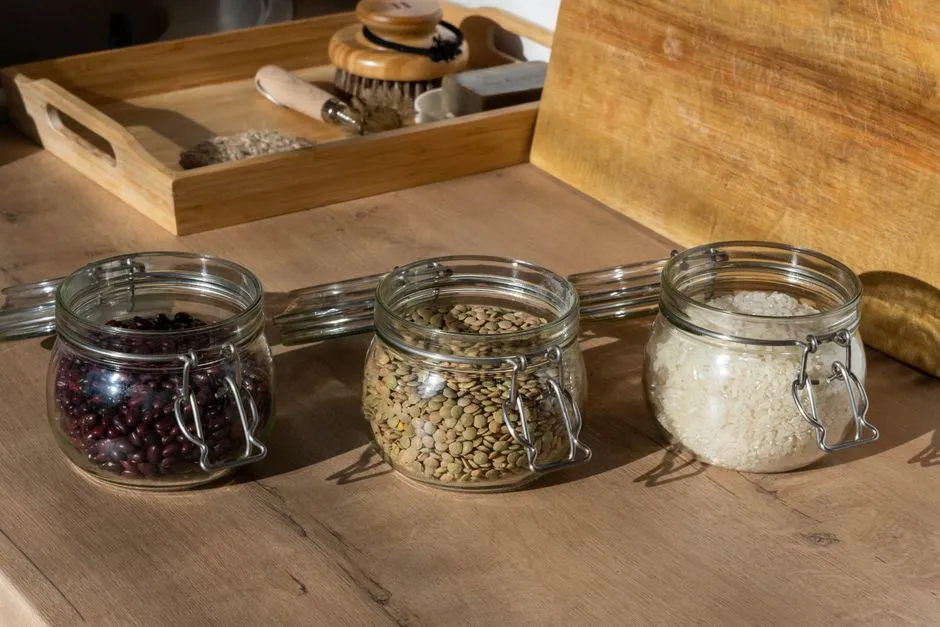
Transfer beans out of the flimsy store bag into something that seals: a glass jar, a food-grade plastic tub with a gasket lid, or a heavy zip-top bag with the air pressed out. Airtight storage keeps humidity and pests out and slows the slow dry-out that turns beans rock-hard. Label the container with the date you bought them so you can rotate oldest-first.
For long-term storage, go further
If you're stocking up for the long haul, you can extend shelf life well beyond a decade:
- Add an oxygen absorber to a sealed jar or mylar bag to slow oxidation and deter insects.
- Freeze new beans for a few days before long-term storage — this kills any pest eggs that came in with them.
- Keep containers off the floor and away from temperature swings.
You don't need to do any of this for normal cooking. Beans you'll use within a year or two are perfectly happy in a sealed jar in the cupboard. This is a solid staple to buy in bulk — see our full budget pantry staples list for the other cheap foods worth stocking the same way.
Cooking Old Dried Beans
Old beans aren't a lost cause. If your beans are a few years past their prime and cooking up hard, a few tricks help:
- Soak longer. Give them a full overnight soak (8–12 hours) instead of a quick one. Older beans need more time to rehydrate.
- Cook low and slow — and be patient. Very old beans may need double the usual simmer time. A pressure cooker or Instant Pot is your best friend here; the high pressure softens beans that stovetop simmering can't.
- Skip the acid early. Salt is fine, but hold off on tomatoes, vinegar, or lemon until the beans are already tender. Acid slows softening, which makes hard old beans even harder.
- Add a pinch of baking soda to the cooking water (about 1/4 teaspoon per pound). It raises the pH and helps break down the skins. Use it sparingly — too much makes beans mushy and slightly soapy.
If a batch still won't soften after all that, they're too far gone for a pot of chili — but they can still be cooked down and blended into a smooth dip or soup where texture matters less.
Dried Beans vs. Canned: Storage Trade-Offs
Both are cheap and shelf-stable, and both belong in a budget kitchen. The difference comes down to time, cost, and how long you need them to keep.
| Dried beans | Canned beans | |
|---|---|---|
| Shelf life | 2–3 years for best quality; edible far longer | 2–5 years (check the can) |
| Cost per serving | Cheapest — often half the price | Higher, but still inexpensive |
| Prep time | Soak + cook (1–2+ hours) | Ready in minutes |
| Storage space | Compact and light | Bulky, heavier |
| Texture control | You control softness and salt | Softer, pre-salted |
Dried wins on price and long-term storage; canned wins on convenience. Most budget cooks keep both — dried for planned meals and batch cooking, a few cans for nights when there's no time to soak. Beans of both kinds anchor a lot of our cheapest recipes, from filling vegetarian dinners under $2 to the kind of no-shopping meals you build from the pantry when the fridge is bare.
The Bottom Line
Dried beans are one of the most forgiving foods you can stock. Kept cool, dry, and sealed, they'll stay safe for a decade or more and hold their best cooking quality for 2 to 3 years. After that they don't spoil — they just get harder and need more time to cook. As long as they're free of moisture, mold, and pests, an old bag of beans is still dinner waiting to happen, which is exactly why they earn a permanent spot in a budget pantry.
Frequently asked questions
Do dried beans ever expire?
Not in a food-safety sense. The date on the bag reflects peak quality, not a hard expiration. As long as beans stay dry and free of mold and pests, they remain safe to eat for many years — a decade or more when stored well. What 'expires' is their texture: old beans get harder and take much longer to soften.
How can you tell if dried beans have gone bad?
Look for moisture damage or mold (fuzz, dark spots, a musty smell), signs of pests (tiny holes, webbing, or small bugs), or a sour, off odor. Any of these means toss the batch. Beans that are simply very hard aren't spoiled — they're just old and need longer cooking. When unsure, trust the smell test.
Can you eat 10-year-old dried beans?
Yes, if they were kept cool, dry, and sealed the whole time and show no mold, moisture, or pests. They're safe to eat but will likely be quite hard, so plan on a long overnight soak and extended cooking — a pressure cooker helps most. Some very old beans never fully soften and are best blended into soups or dips.
What is the best way to store dried beans?
Move them out of the thin store bag into an airtight container — a glass jar, sealed tub, or zip-top bag with the air pressed out. Keep it somewhere cool, dark, and dry, away from the stove and any humidity. Label it with the purchase date and use older beans first. For long-term storage, add an oxygen absorber and freeze new beans for a few days to kill pest eggs.
Why won't my old dried beans get soft?
Over time beans dry out and lose the ability to reabsorb water, so the centers stay chalky even after long cooking. To help, soak overnight, cook low and slow (or use a pressure cooker), hold off on acidic ingredients like tomatoes until the beans are tender, and add a small pinch of baking soda to the water to help break down the skins.
Are dried or canned beans better for long storage?
Dried beans keep far longer — years past their date if stored dry — and cost less per serving, making them ideal for stocking up. Canned beans last 2 to 5 years and win on convenience since they're ready in minutes. Most budget kitchens keep both: dried for planned meals and batch cooking, canned for nights with no time to soak.