 Easy Budget Meals
Cheap High-Protein Meals: Hit Your Protein Without the Cost
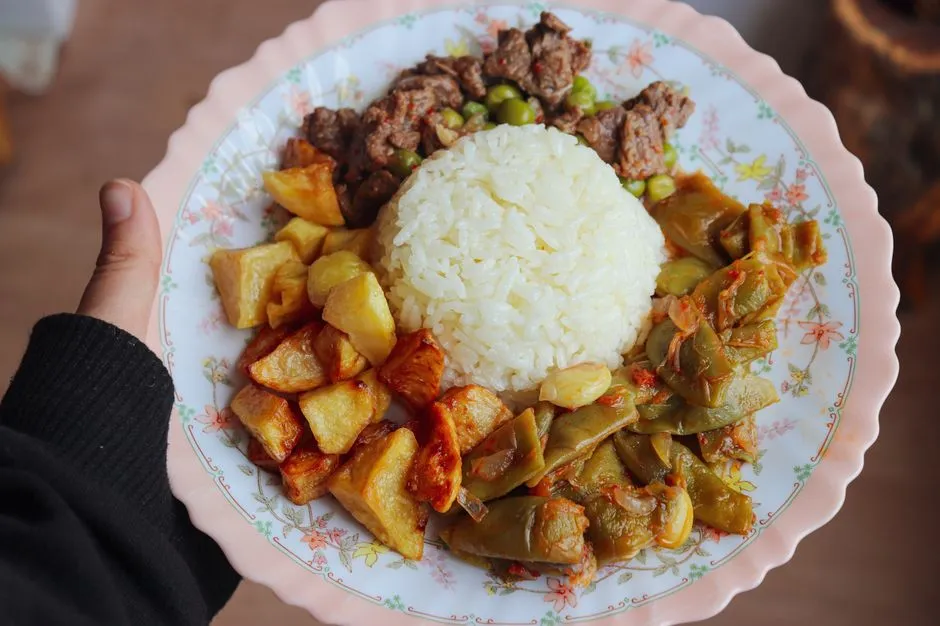
- The cheapest way to hit your protein is to build meals around eggs, dried beans, canned fish, and whole chicken
- Cheapest protein sources, ranked by cost per gram
- The seven staples that carry a high-protein budget
- Ten cheap high-protein meals
- How to build a high-protein plate on a budget
- How much protein do you actually need?
- Protein cost math: a full day under $4
- The bottom line
The cheapest way to hit your protein is to build meals around eggs, dried beans, canned fish, and whole chicken
If you want more protein without spending more money, the move is simple: stop buying protein by the package and start buying it by the gram. A dozen eggs, a bag of dried lentils, a can of tuna, and a whole chicken deliver 20 to 30 grams of protein per serving for well under a dollar most of the time. The expensive stuff — protein bars, boneless skinless chicken breast on demand, pre-cooked shrimp, lean deli meat — costs two to five times more per gram for the same nutrition. Get the cheap staples right and hitting 100+ grams of protein a day on a tight grocery budget stops being a math problem.
Below are the highest-value protein sources ranked by rough cost, the meals that turn them into real dinners, and a simple framework for building a plate that fills you up without emptying your wallet.
Cheapest protein sources, ranked by cost per gram
Prices swing by region, store, and season, so treat these as planning estimates rather than fixed numbers. The ranking, though, holds almost everywhere: dried legumes and eggs sit at the bottom, and processed or convenience proteins sit at the top.
| Protein source | Typical price | Protein per serving | Rough cost per 20g protein |
|---|---|---|---|
| Dried lentils / beans | $1.20–$2.00 / lb | ~18g per cooked cup | $0.15–$0.30 |
| Eggs | $2.50–$5.00 / dozen | ~12g per 2 eggs | $0.35–$0.70 |
| Canned beans | $0.90–$1.50 / can | ~15g per can (½) | $0.35–$0.60 |
| Whole chicken | $1.20–$2.20 / lb | ~25g per 4oz | $0.40–$0.70 |
| Canned tuna / sardines | $0.90–$1.80 / can | ~20g per can | $0.50–$0.90 |
| Peanut butter | $2.50–$4.50 / jar | ~7g per 2 tbsp | $0.55–$0.90 |
| Chicken thighs (bone-in) | $1.50–$2.80 / lb | ~20g per 4oz | $0.55–$0.95 |
| Greek yogurt (tub) | $4.00–$6.00 / 32oz | ~17g per ¾ cup | $0.60–$1.10 |
| Tofu | $2.00–$3.50 / block | ~9g per ⅓ block | $0.70–$1.20 |
| Ground beef (80/20) | $4.00–$6.00 / lb | ~20g per 4oz | $1.00–$1.60 |
| Chicken breast | $3.00–$5.00 / lb | ~25g per 4oz | $1.00–$1.80 |
| Deli meat / protein bars | varies | ~10–20g | $1.50–$3.50 |
The pattern is clear: buying protein in its least-processed, least-convenient form is where the savings live. A whole chicken you break down yourself costs roughly half of the same weight sold as trimmed breast. For a deeper ranking of value foods beyond protein, see our guide to the cheapest healthy foods per dollar.
A quick note on animal versus plant protein: gram for gram, plant sources like beans and lentils are cheaper, but they carry a slightly less complete amino acid profile on their own. That gap disappears the moment you combine them — beans with rice, lentils with bread, tofu with a grain — which is exactly how most cheap cuisines around the world have always eaten. You don't need to obsess over it meal by meal; eating a variety across the day covers it.
The seven staples that carry a high-protein budget
You don't need a long list. Seven cheap proteins cover nearly every meal, and most of them keep for weeks or months.
1. Eggs
The most flexible protein in the store. Scrambled, fried, boiled, baked into a frittata, or dropped on top of rice and beans, eggs turn almost anything into a complete meal. Two eggs give you about 12g of protein for often less than 40 cents.
2. Dried beans and lentils
The undisputed cost champion. A one-pound bag makes six to eight servings and costs about the same as a single can. Lentils need no soaking and cook in 20 to 25 minutes. Beans reward a soak but freeze beautifully once cooked, so make a big pot and stash portions.
3. Canned fish
Tuna, sardines, and mackerel deliver 15 to 22g of protein per can with zero cooking. Sardines are underrated: cheaper than tuna in many stores, richer in omega-3s, and shelf-stable for years.
4. Whole chicken or bone-in thighs
Bone-in, skin-on cuts cost far less than boneless breast and taste better. A whole roasted chicken feeds a family, and the carcass makes stock — another meal for free.
5. Greek yogurt or cottage cheese
Both pack 15 to 25g of protein per serving and double as breakfast, snack, or a creamy base for sauces. Buy the big tub, not the single-serve cups, which cost roughly double per ounce.
6. Tofu
Cheap, shelf-stable in some forms, and endlessly adaptable once you learn to press and sear it. A block runs $2 to $3 and stretches across two or three meals.
7. Peanut butter and other legume spreads
Not a dinner centerpiece, but a cheap way to add protein and calories to breakfast and snacks. Two tablespoons carry about 7g of protein.
Ten cheap high-protein meals
Each of these leans on the staples above, hits at least 25g of protein per serving, and lands well under a couple of dollars a plate in most regions.
- Rice and beans with a fried egg — canned or home-cooked beans over rice, topped with an egg. ~25g protein, roughly $1.
- Lentil soup — lentils, an onion, carrots, garlic, canned tomato, and spices. Makes a big batch for pennies per bowl.
- Tuna pasta — canned tuna, pasta, frozen peas, a little olive oil and lemon. ~30g protein, about $1.25.
- Egg fried rice — leftover rice, two or three eggs, frozen mixed veg, soy sauce. A whole-pan dinner for the price of the eggs.
- Roast chicken thighs with potatoes — bone-in thighs and cubed potatoes on one tray. ~30g protein per serving.
- Chickpea curry — canned chickpeas, onion, canned tomato, and curry spices over rice. Filling, meatless, and cheap.
- Cottage cheese and egg scramble — stir cottage cheese into scrambled eggs for a 30g-protein breakfast-for-dinner.
- Bean and cheese quesadillas — mashed beans and a little cheese in a tortilla, crisped in a dry pan.
- Sardines on toast — sardines, whole-grain toast, a squeeze of lemon. Two minutes, ~20g protein.
- Tofu stir-fry — pressed, seared tofu with frozen stir-fry veg and rice. ~20g protein, about $1.50.
Notice how many of these are meatless — beans, lentils, eggs, and tofu do a lot of heavy lifting. If that appeals, our roundup of easy cheap vegetarian dinners expands the list.
How to build a high-protein plate on a budget
You don't need a recipe every night. Once you understand the structure, you can improvise from whatever's cheap that week.
Anchor every plate with one cheap protein
Start with the protein and build around it, not the other way around. A plate without a clear protein anchor is where budgets quietly turn into carb-heavy meals that leave you hungry two hours later.
Stack two cheap proteins to hit your number
Beans plus rice, or eggs plus yogurt, combine to give you both more total protein and a fuller amino acid profile. Stacking is how you reach 30g+ per meal without buying pricier meat.
Let frozen and canned do the work
Frozen chicken, frozen edamame, canned beans, and canned fish are just as nutritious as fresh, cost less, and never spoil in the drawer. They also cut the pressure to cook everything before it goes bad.
Buy the format that's cheapest, not the one that's easiest
The single biggest lever is buying protein in bulk, unprocessed forms: whole chickens over parts, dried beans over canned, big yogurt tubs over cups, blocks of cheese over pre-shredded. The convenience tax on protein is real and it adds up fast.
Cook in batches so cheap protein stays cheap
Dried beans and roast chicken are only bargains if you actually use them before they spoil or you give up and order takeout. Cooking a big pot of beans or a tray of thighs once and portioning it into the fridge and freezer locks in the savings. A single batch cook on the weekend can anchor the protein for four or five dinners, which is where budget protein quietly beats every meal-kit and takeout option on cost.
How much protein do you actually need?
A common rule of thumb is around 0.7 to 1 gram of protein per pound of body weight for people who are active or trying to build muscle, and roughly 0.36g per pound as a general minimum for most adults. That means a 150-pound person aiming to build muscle is targeting somewhere near 100 to 150g a day, while the basic floor is closer to 55g. These are general guidelines, not personalized advice — if you have specific health or dietary needs, check with a qualified professional.
The practical takeaway: spreading 25 to 35g of protein across three or four meals gets most people where they want to be. Every meal in this guide is built to land in that range.
Protein cost math: a full day under $4
Here's what a 120g-protein day can look like using only cheap staples, with rough per-item costs.
| Meal | Foods | Protein | Est. cost |
|---|---|---|---|
| Breakfast | 2 eggs + ¾ cup Greek yogurt | ~29g | $0.90 |
| Lunch | Rice + 1 can tuna + frozen peas | ~32g | $1.30 |
| Snack | 2 tbsp peanut butter + toast | ~10g | $0.35 |
| Dinner | Lentil soup + bean-cheese quesadilla | ~35g | $1.20 |
| Total | ~106g | ~$3.75 |
Even allowing for regional price differences, a 100g-plus protein day for well under $5 is realistic when you build around staples instead of convenience proteins. For the bigger picture on eating well without overspending, see our guide to eating healthy on a budget.
The bottom line
Cheap protein isn't about buying less of it — it's about buying it in the right form. Eggs, dried beans and lentils, canned fish, whole chicken, and big tubs of yogurt give you all the protein you need for a fraction of what pre-portioned, pre-cooked convenience proteins cost. Anchor each plate with one of those, stack a second when you need more, and lean on the freezer and pantry to keep it cheap and waste-free. Do that consistently and a high-protein diet becomes one of the most affordable ways to eat, not the most expensive.
Frequently asked questions
What is the cheapest source of protein?
Dried beans and lentils are the cheapest protein per gram, often costing 15 to 30 cents for 20 grams of protein. A one-pound bag makes six to eight servings for about the price of a single can. Eggs and canned fish are close behind, and all three are shelf-stable, making them the backbone of any high-protein budget.
How can I get 100g of protein a day on a budget?
Spread 25 to 35 grams of protein across three or four meals using cheap staples. A day of eggs and yogurt at breakfast, tuna with rice at lunch, peanut butter toast as a snack, and lentil soup with a bean quesadilla at dinner reaches roughly 100 grams of protein for under $5 in most regions.
Is it cheaper to get protein from meat or beans?
Beans and lentils are far cheaper than meat, typically costing a quarter to a third as much per gram of protein. Meat still has a place: whole chicken and bone-in thighs are affordable if you buy them unprocessed. But for the lowest cost per gram, legumes win, and stacking beans with rice or eggs gives you a fuller amino acid profile.
How much protein do I need per day?
A common rule of thumb is about 0.36 grams per pound of body weight as a general minimum for adults, rising to 0.7 to 1 gram per pound for people who are active or building muscle. A 150-pound person might target 55 grams as a floor or 100 to 150 grams for muscle building. These are general guidelines, not personalized advice.
Are eggs a cheap source of protein?
Yes. Even at higher prices, two eggs deliver about 12 grams of protein for roughly 35 to 70 cents, and they are one of the most versatile proteins you can buy. They work in scrambles, frittatas, fried rice, or on top of beans and rice, turning cheap carbs into a complete, protein-rich meal with almost no effort.
What are the best high-protein foods for meal prep on a budget?
Cooked dried beans and lentils, hard-boiled eggs, roast chicken thighs, and a big batch of chili or lentil soup all reheat and freeze well. Buy proteins in bulk unprocessed forms, cook a large batch once, and portion it out. This cuts both cost and the waste that comes from fresh protein spoiling before you use it.