 Easy Budget Meals
Budget Meal Plan for Two: A Week of Dinners Under $40
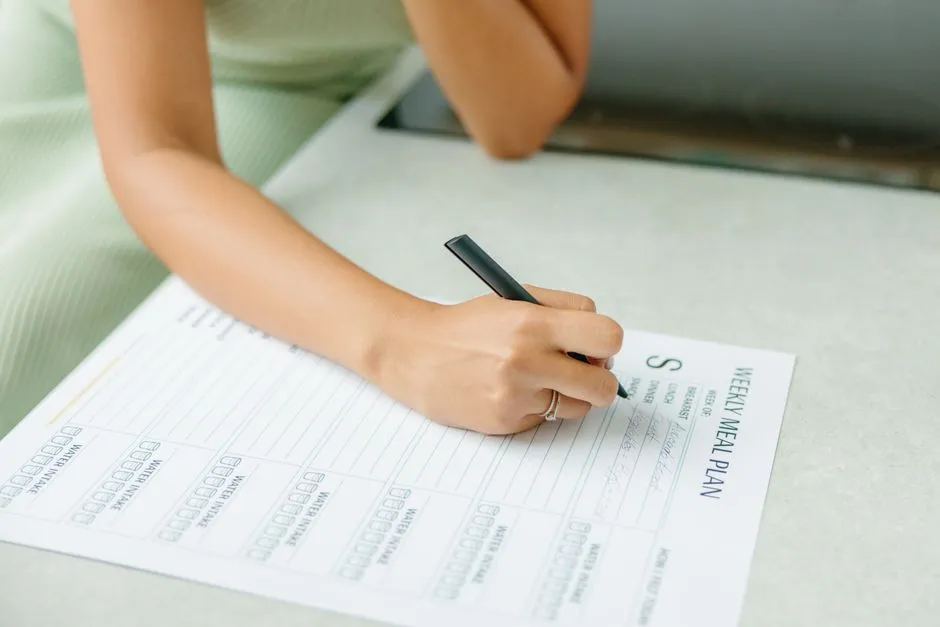
A Full Week of Dinners for Two, Under $40
Feeding two people dinner for a week on less than $40 is completely doable, and it doesn't mean eating rice and ketchup by Thursday. The trick isn't extreme frugality — it's overlap. You buy a short list of ingredients that stretch across multiple meals, cook slightly larger portions so leftovers cover a lunch or a second dinner, and lean on cheap, filling anchors like beans, eggs, pasta, and frozen vegetables. Below is a real seven-night plan with a shopping list, a cost breakdown, and swap notes so you can adapt it to what's on sale near you.
The plan lands around $36 to $39 at typical U.S. grocery prices as of 2026. That's roughly $2.60 to $2.80 per person, per dinner — cheaper than a single fast-food combo. Prices vary a lot by region and store, so treat these as planning estimates, not guarantees. If you shop at a discount grocer like Aldi, you'll likely come in under $34; at a pricier chain, closer to $42.
The 7-Day Dinner Plan
Each night feeds two adults with a normal appetite. A few nights make extra on purpose so you're not cooking from scratch every single evening.
| Day | Dinner | Rough cost | Notes |
|---|---|---|---|
| Mon | Pasta with garlic, olive oil & white beans | $3.50 | Cook the whole bean can; save half |
| Tue | Loaded baked potatoes + fried eggs | $4.00 | Cheap, filling, fast |
| Wed | Black bean & rice burrito bowls | $5.00 | Doubles as Thursday lunch |
| Thu | Veggie fried rice with egg | $4.50 | Uses leftover rice from Wed |
| Fri | Sheet-pan sausage, potatoes & frozen veg | $7.00 | The "treat" night |
| Sat | Tomato & white bean soup + grilled cheese | $5.50 | Uses the saved beans |
| Sun | Egg & veggie frittata | $4.00 | Clears the crisper |
That's about $33.50 in named ingredients, and the remaining budget covers pantry basics you'll dip into (oil, salt, spices, a little butter) plus a buffer for price swings. If your pantry is already stocked with oil, garlic, and spices, your out-of-pocket for the week drops noticeably.
Why this plan works
- Two proteins do all the heavy lifting. A dozen eggs and two cans of beans anchor five of the seven dinners. Both are among the cheapest complete-ish proteins you can buy, and both keep for weeks without spoiling.
- Rice and potatoes are the cheapest calories in the store. They fill plates for pennies and keep you from reaching for takeout at 8 p.m. A 5 lb bag of potatoes alone can back three or four dinners.
- One "nice" night keeps you sane. Friday's sausage sheet-pan dinner feels like a treat, which makes the leaner nights easy to stick with. Budget plans fail when they feel like punishment, so building in one satisfying meal isn't a splurge — it's what makes the whole week repeatable.
- Almost nothing is wasted. Every perishable on the list has a job on at least two nights, so the eggs, cheese, and veg get used up before they turn.
The Shopping List
Here's everything the plan calls for, grouped by section. Quantities assume you're starting with a bare fridge but a basic pantry (oil, salt, pepper, common dried spices).
Produce
- 5 lb bag of potatoes — about $4.00
- 1 yellow onion (or a small bag) — $1.00
- 1 head garlic — $0.75
- 1 bag frozen mixed vegetables — $1.50
- 1 bag frozen stir-fry veg or peas — $1.50
- 1 bell pepper — $1.00
- 1 bunch green onions (optional) — $1.00
Protein & dairy
- 1 dozen eggs — $3.00
- 1 pack smoked sausage or kielbasa (~14 oz) — $4.00
- 1 block cheddar (8 oz) — $2.50
- Small tub sour cream or plain yogurt — $1.50
- Butter (you likely have this) — pantry
Pantry & canned
- 1 lb dried pasta — $1.25
- 2 lb rice — $2.50
- 2 cans black beans — $1.80
- 2 cans white beans (cannellini or great northern) — $1.80
- 1 large can crushed tomatoes — $1.50
- 1 loaf sandwich bread — $2.00
- Tortillas (small pack) — $2.00
- Olive or vegetable oil — pantry
- Salt, pepper, cumin, chili powder, dried oregano — pantry
Running total of listed items: roughly $36–$38. Swap freely toward whatever your store has cheapest — that flexibility is the whole point of a plan built on cheap anchors rather than fixed recipes.
How to Cook It Without Losing Your Mind
The plan is designed so two nights of light prep carry the rest of the week. If you cook a big pot of rice on Wednesday, Thursday's fried rice takes ten minutes. If you open both bean cans early, you're set for Monday's pasta and Saturday's soup.
A simple prep rhythm
- Wednesday: cook a double batch of rice. Use half for burrito bowls, refrigerate the rest for Thursday. Day-old cold rice actually fries up better than fresh, so this timing works in your favor.
- Monday: open a can of white beans, use half in the pasta, save half for Saturday's soup.
- Sunday: the frittata is your "clean out the fridge" meal — toss in any leftover peppers, onion, or veg before they turn.
None of these nights takes more than about 25 minutes of active cooking, and several are closer to 10. You're not signing up for a project — you're just deciding once, on shopping day, instead of seven separate times at the end of long days.
Leftover-friendly cooking is the quiet money-saver here. Making slightly more than you need turns one dinner into tomorrow's lunch, which keeps you from buying a $12 sandwich at work. If you want to lean harder into that habit, our guide to cheap dinner ideas for a family of 4 scales many of these same anchors up for bigger households.
Adjusting the Budget Up or Down
$40 is a comfortable target for two. If money is tighter this week, or you want a little more room, here's how to move the number.
To spend less (aim for ~$30)
- Drop the sausage and make Friday a second bean or egg night — that alone saves $4.
- Buy the store-brand everything. Store brands are usually 20–40% cheaper for identical basics.
- Skip the bell pepper and sour cream; they're flavor, not fuel.
To spend a bit more (up to ~$50)
- Add a pack of chicken thighs (~$5–7) for one or two nights of variety.
- Throw in a bag of apples or bananas for cheap dessert and snacks.
- Upgrade to better cheese or add avocado to the burrito bowls.
If you're cooking for one, don't just halve everything — cans, bags, and loaves don't split cleanly. Instead, cook the full recipes and eat the extra as next-day lunches. For a bigger single-week challenge, our 7-day meal plan for under $50 uses the same overlap logic with a little more headroom.
What Two People Should Actually Budget for Food
A sub-$40 dinner week is a great short-term target, but it's worth knowing where that sits against a normal monthly food budget. Dinners are only part of the picture — breakfast, lunch, snacks, and the occasional splurge all add up.
As a rough benchmark, a "thrifty" grocery budget for two adults runs somewhere around $500–$650 per month in the U.S., with moderate spenders landing higher. If you're hitting $40 dinner weeks, you're tracking well under the thrifty end for your evening meals, which leaves room for the rest of the day. For a full breakdown by household size, see how much you should spend on groceries per month.
A few habits that keep the number low
- Shop your fridge first. Before every trip, plan a night around what's already dying in the crisper.
- Buy dry goods in the biggest size you'll realistically use. Rice, beans, and pasta get cheaper per serving at volume and don't spoil.
- Cook the plan, not your cravings. Deciding dinner at 6 p.m. is how takeout wins. The list is the whole defense.
The Bottom Line
A week of dinners for two under $40 comes down to three moves: anchor meals on eggs, beans, rice, and potatoes; build the list so ingredients overlap across nights; and cook a little extra so leftovers cover the gaps. Follow the plan as written and you'll spend roughly $36–$39 — under $2.80 per person per dinner — without eating the same sad bowl twice. Swap toward whatever's on sale, keep one night that feels like a treat, and the whole thing stays sustainable well past a single week.
Frequently asked questions
How much does it cost to feed two people for a week?
Dinners for two can run as little as $35 to $40 a week if you cook from cheap staples like beans, eggs, rice, and potatoes. A full week of all meals for two typically falls in a thrifty range of about $500 to $650 per month in the U.S., though grocery prices vary widely by region, store, and season.
What are the cheapest dinners to make for two people?
The cheapest dinners lean on staple anchors: pasta with white beans and garlic, rice-and-bean burrito bowls, loaded baked potatoes, veggie fried rice, and frittatas. Each costs roughly $3.50 to $5.50 total for two servings. Eggs, dried or canned beans, rice, and potatoes deliver the most filling calories per dollar.
How do you meal plan for two people on a budget?
Start with a dollar target, then pick a handful of dinners that share ingredients so nothing goes to waste. Buy cheap anchors in bulk, cook slightly larger portions to reuse as leftovers, and keep one flexible 'clean out the fridge' night each week. Shopping from a written list is the single biggest money-saver.
Is it cheaper to cook for two or eat out?
Cooking at home is dramatically cheaper. A homemade dinner for two from staples costs around $4 to $7 total, while two fast-food combos run $18 to $24 and a sit-down meal for two easily tops $50. Even accounting for ingredients you don't fully use, home cooking usually costs a quarter to a third as much.
How can two people save money on groceries?
Buy store brands, shop discount grocers, purchase dry goods like rice and beans in larger sizes, and plan meals around what's already in your fridge. Cooking extra to reuse as lunches prevents pricey last-minute takeout. Sticking to a planned list rather than deciding dinner at the last minute is the most reliable way to cut the bill.
What staples should two people keep stocked for cheap meals?
Keep rice, dried or canned beans, pasta, potatoes, and a dozen eggs on hand, plus canned tomatoes, onions, garlic, oil, and basic dried spices like cumin, chili powder, and oregano. These few items combine into dozens of cheap dinners and cost only a few dollars each, forming the backbone of nearly every budget meal plan.