 Easy Budget Meals
20 Dinners That Cost Under $1 Per Serving (With the Math)
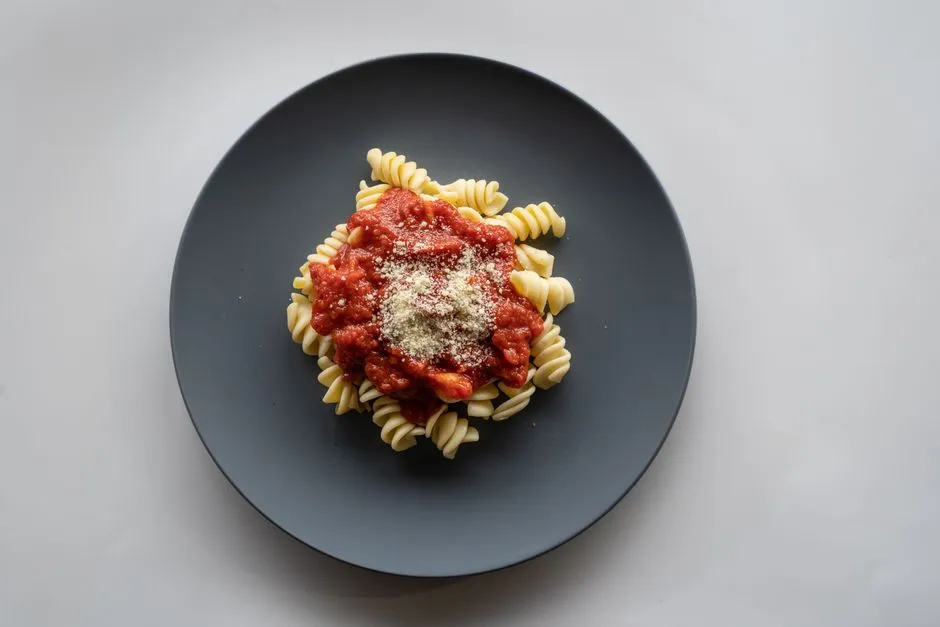
Yes, You Can Still Build a Real Dinner for Under a Dollar a Plate
A meal under $1 per serving is not a myth or a coupon stunt — it is the natural result of building dinner around cheap, filling staples (dried beans, rice, oats, eggs, cabbage, frozen vegetables) and treating meat, cheese, and fresh produce as accents rather than the main event. The 20 dinners below each land between roughly $0.35 and $0.95 per serving, and every one comes with the actual math so you can see where the money goes and swap ingredients for whatever your store stocks cheapest.
A quick honesty note before the recipes: grocery prices vary a lot by region, season, and store, and they climb over time. The costs here reflect typical U.S. supermarket prices at the time of writing, bought in normal (not bulk-warehouse) quantities. Treat every number as a reasonable estimate to plan around, not a guarantee. Your mileage will vary — but the ratios hold up almost everywhere, and that is what keeps a plate under a dollar.
How a Dinner Actually Gets Under $1 a Serving
Sub-dollar cooking runs on a few repeatable moves rather than one magic recipe:
- Anchor the plate with a cheap carb. Rice, pasta, potatoes, and oats run roughly $0.10–$0.30 per cooked cup. If you're unsure which to stock, our breakdown of whether rice or pasta is cheaper per serving settles it with real numbers.
- Get protein from beans, lentils, and eggs first. A cup of cooked dried beans costs around $0.20–$0.35; an egg runs $0.15–$0.30. These carry a meal for a fraction of what meat costs.
- Buy vegetables frozen or in season. Frozen mixed veg, cabbage, carrots, and onions are the cheapest way to add bulk, fiber, and color.
- Use meat as seasoning. A quarter-pound of sausage or a couple of strips of bacon flavor an entire pot without blowing the budget.
- Lean on the spice rack. Cumin, chili powder, garlic, and a splash of acid (vinegar or lemon) are what separate a $0.60 plate from something that tastes like it cost triple.
Most of these lean on foods you'd want in the cupboard anyway — see our list of the cheapest healthy foods per dollar for the full roster.
The 20 Dinners, With the Cost Math
Costs below are per serving, assuming the recipe is split into the number of servings noted. Where a dish is very cheap, the savings come from beans, eggs, or day-old bread doing the heavy lifting.
| # | Dinner | Serves | Est. cost/serving | What carries it |
|---|---|---|---|---|
| 1 | Red beans and rice | 4 | $0.55 | Dried beans, rice, a little sausage |
| 2 | Lentil soup with carrots | 4 | $0.45 | Brown lentils, onion, carrot |
| 3 | Egg fried rice | 4 | $0.60 | Day-old rice, eggs, frozen peas |
| 4 | Pasta e fagioli | 6 | $0.50 | White beans, pasta, canned tomato |
| 5 | Black bean tacos | 4 | $0.70 | Black beans, corn tortillas, cabbage |
| 6 | Baked potato bar | 4 | $0.65 | Potatoes, cheese, frozen broccoli |
| 7 | Chickpea curry over rice | 4 | $0.80 | Chickpeas, canned tomato, spices |
| 8 | Cabbage and sausage skillet | 4 | $0.75 | Cabbage, potato, one sausage link |
| 9 | Peanut noodles | 4 | $0.70 | Spaghetti, peanut butter, soy sauce |
| 10 | Shakshuka (eggs in tomato) | 4 | $0.65 | Eggs, canned tomato, onion |
| 11 | Split pea soup | 6 | $0.40 | Split peas, carrot, onion |
| 12 | Bean and cheese quesadillas | 4 | $0.60 | Tortillas, refried beans, cheese |
| 13 | Congee with scallion | 4 | $0.35 | Rice, stock, an egg on top |
| 14 | Tuna pasta bake | 5 | $0.85 | Pasta, canned tuna, frozen peas |
| 15 | Vegetable fried noodles | 4 | $0.70 | Ramen or spaghetti, frozen veg |
| 16 | Lentil sloppy joes | 5 | $0.75 | Lentils, tomato, day-old buns |
| 17 | Potato and egg hash | 4 | $0.55 | Potatoes, eggs, onion |
| 18 | Dal with rice | 6 | $0.45 | Red lentils, rice, cumin, garlic |
| 19 | Minestrone | 6 | $0.60 | Beans, pasta, tomato, any veg |
| 20 | Oatmeal savory bowl | 4 | $0.50 | Oats, egg, cheese, hot sauce |
A worked example: red beans and rice at $0.55
To show the math isn't hand-waving, here's dinner #1 broken all the way down for four servings:
- 1 cup dried red beans (½ lb): ~$0.70
- 2 cups dry rice: ~$0.50
- ¼ lb smoked sausage, sliced thin: ~$0.90
- 1 onion, 2 cloves garlic, spices: ~$0.40
Total: ~$2.50 ÷ 4 = $0.63 per serving — and if you skip the sausage or use a cheaper bean, you're comfortably under $0.50. That single pot also reheats beautifully, which is the other quiet saving: nothing gets thrown away.
A vegetarian example: dal with rice at $0.45
Red lentils are the cheapest hot, protein-rich meal in most stores. For six servings:
- 2 cups red lentils (
1 lb): **$1.60** - 3 cups dry rice: ~$0.75
- Onion, garlic, cumin, turmeric, a knob of oil: ~$0.60
Total: ~$2.95 ÷ 6 = $0.49 per serving. Add a squeeze of lemon and it tastes like far more than fifty cents. Lentils cook in 20 minutes with no soaking, which makes dal the single best entry point to sub-dollar cooking.
The Cheapest Building Blocks, Ranked
If you only stock a handful of things, make it these. The table shows why they anchor almost every recipe above.
| Staple | Typical price | Cost per serving | Meals it powers |
|---|---|---|---|
| Dried lentils | $1.40–$1.80 / lb | $0.15–$0.25 | Soup, dal, sloppy joes |
| Dried beans | $1.20–$2.00 / lb | $0.20–$0.35 | Tacos, soup, rice bowls |
| White rice | $0.80–$1.20 / lb | $0.10–$0.20 | Base for half this list |
| Eggs | $2.50–$4.50 / dozen | $0.15–$0.30 | Fried rice, hash, shakshuka |
| Rolled oats | $1.20–$2.00 / lb | $0.10–$0.20 | Savory bowls, breakfast-for-dinner |
| Cabbage | $0.60–$1.00 / lb | $0.15–$0.30 | Skillets, tacos, slaw |
| Potatoes | $0.50–$0.90 / lb | $0.15–$0.30 | Bar, hash, soup thickener |
| Pasta | $1.00–$1.50 / lb | $0.15–$0.25 | Bake, minestrone, peanut noodles |
Notice that dried beans and lentils win on protein-per-dollar, which is exactly why they show up in more than half the recipes. Canned versions are convenient but cost roughly two to three times as much per serving — worth it on a busy night, not worth building your whole budget around.
Five Habits That Keep Every Plate Under a Dollar
The recipes matter less than the routine around them. These five habits do most of the work.
1. Cook the cheap protein in bulk
Simmer a full pound of dried beans or lentils at once and portion the extra into the fridge or freezer. A big Sunday pot turns into three or four different dinners during the week, and the marginal cost of doubling a batch is nearly zero.
2. Stretch meat instead of centering it
A single sausage link, a handful of bacon, or half a pound of ground meat can flavor a dish for four to six people. You're buying meat for its seasoning power, not its bulk — that one shift is often the difference between a $1.80 plate and a $0.70 one.
3. Default to frozen and in-season vegetables
Frozen vegetables are picked and frozen at peak ripeness, cost less than fresh out of season, and never rot in the crisper. For fresh, buy whatever's cheapest that week and build the meal around it rather than the other way around.
4. Waste nothing
Stale bread becomes croutons or breadcrumbs. Vegetable scraps become stock. The last scrape of a bean pot thickens tomorrow's soup. Sub-dollar cooking assumes near-zero waste, because every tossed ingredient quietly raises your real cost per serving.
5. Season aggressively
The cheapest ingredient in your kitchen is the spice rack, and it delivers the biggest return. Cumin, smoked paprika, chili powder, garlic, and a splash of vinegar or citrus make humble beans and rice taste deliberate rather than desperate.
Scaling This to a Whole Week (or a Whole Family)
These dinners were chosen because they reheat and multiply well. A single pot of lentil soup or a tray of baked potatoes covers several nights, and most of the list freezes cleanly for future meals. If you're feeding more mouths, the per-serving math actually gets better as you scale, since staples get cheaper by the bag — our guide to cheap dinners for a family of four runs the numbers at family scale.
To turn these into an actual grocery run rather than a list of ideas, pick five recipes that share ingredients — say, three that use beans and two that use lentils — so a single bag stretches across the week. That overlap is where a fistful of dollar dinners becomes a genuinely cheap week of eating.
The Bottom Line
Under-a-dollar dinners aren't about deprivation; they're about proportion. Anchor with a cheap carb, get protein from beans, lentils, and eggs, treat meat and cheese as accents, and let spices do the flavor work. Do that consistently and $0.50–$0.90 plates stop being a challenge and start being just how you cook — with real food, real portions, and real money left over at the end of the week.
Frequently asked questions
What is the cheapest meal to make per serving?
Simple lentil or split-pea dishes are usually the cheapest, often landing around $0.35–$0.50 per serving. Red lentils cook in 20 minutes with no soaking, and a pound (about $1.60) stretches to six protein-rich servings. Rice congee with an egg and plain dal with rice are similarly cheap because they lean entirely on pantry staples rather than meat or fresh produce.
How can beans and rice be so cheap per serving?
Dried beans and rice are among the least expensive foods per cooked cup — roughly $0.20–$0.35 and $0.10–$0.20 respectively. Together they form a complete, filling protein-and-carb base for well under $0.50 a plate. Adding a little sausage, spices, and onion boosts flavor without much cost, which is why beans and rice anchor budget cooking worldwide.
Are canned beans or dried beans cheaper?
Dried beans are cheaper — usually two to three times less per serving than canned. A pound of dried beans costs about $1.20–$2.00 and yields six or more servings, while canned versions cost more per equivalent portion. Canned beans win on convenience for busy nights, but if you're building meals around a tight budget, cooking dried beans in bulk saves the most.
Do cheap meals under $1 a serving still count as healthy?
Many do. Beans, lentils, eggs, oats, cabbage, and frozen vegetables are among the most nutritious foods per dollar, delivering protein, fiber, and micronutrients cheaply. The key is balance — pair a cheap protein with a whole grain and a vegetable rather than relying on plain refined carbs. Season well and keep portions of added fat and salt reasonable for a genuinely healthy budget plate.
How do I keep meals cheap without eating the same thing every night?
Rotate the same cheap staples through different cuisines and flavor profiles. The same pound of lentils becomes Indian dal, Italian pasta e fagioli, or sloppy joes depending on the spices and format. Buy staples that overlap across five recipes, then vary the seasoning, acid, and toppings so meals feel distinct even though the underlying ingredients are nearly identical and equally cheap.
Why do my per-serving costs come out higher than these estimates?
Grocery prices vary by region, store, and season, and they rise over time, so your numbers will differ. Buying convenience versions (canned instead of dried, pre-cut produce), shopping smaller quantities, or wasting ingredients all push costs up. Cooking dried staples in bulk, using frozen vegetables, and wasting nothing are what keep real-world costs close to these estimates.